Capture the first report clearly
When a tenant reports a drainage issue, record the date, time, property area, affected fixtures and whether wastewater is escaping. Ask whether the issue is isolated or affects other parts of the building, but do not ask a tenant to open a chamber or inspect contaminated water. If an overflow is present, keep people away and arrange prompt assessment.
Record communications and actions: who was contacted, what advice was given, when access was arranged and whether the sewerage company was asked to check a public network issue. Responsibility may depend on whether the pipe serves one property or is shared, as well as its location and adoption history. If uncertain, ask the relevant provider and keep the response.
Retain useful technical evidence
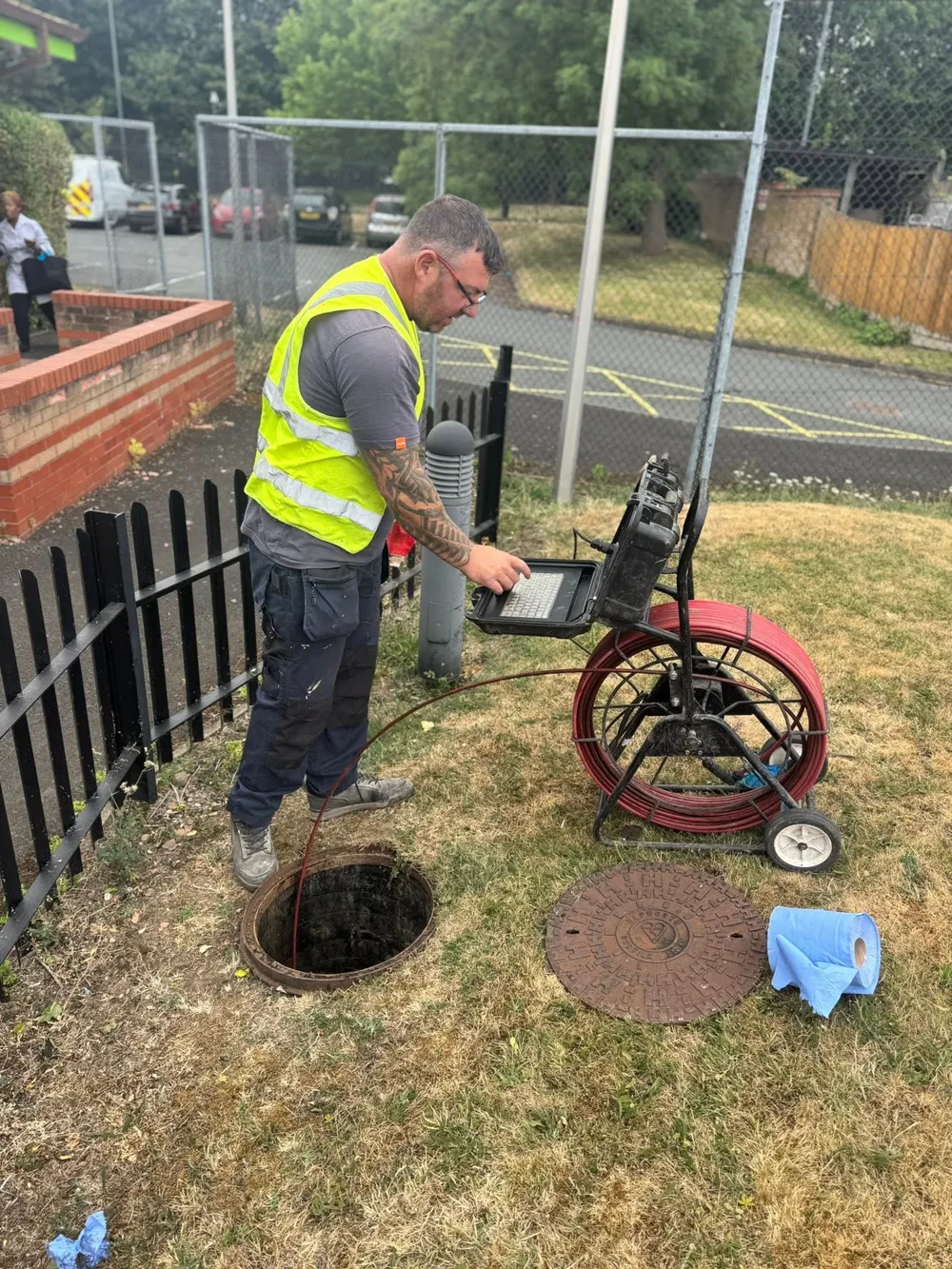
Keep CCTV videos and reports, drainage plans, invoices, clearance records and repair scopes with the property file. For a repeat blockage, compare the current location and symptoms with previous incidents. A fresh clearance may restore flow but does not explain a recurring cause. A CCTV survey may help document accessible pipe condition.
If a repair is recommended, retain the evidence and written scope. Compare a repair, lining or excavation approach by the recorded defect and property access. Completion information helps a future contractor avoid repeating investigation unnecessarily.
Communicate with tenants
Explain what areas should remain out of use, how to report a worsening symptom and whom to contact if wastewater returns. Avoid promising a result or arrival time until confirmed by the service provider. Protect tenant personal information and store only records needed for property management.
For a property in Birmingham or the West Midlands, a private drainage issue can be raised through contact. For immediate safety steps, read what to do in a drain emergency.
A record that helps with the next report
Keep one entry per incident with date, affected room or site zone, fixtures involved, whether wastewater escaped, tenant updates, contacts made and work performed. Attach the invoice, CCTV video/report, drainage plan and any written scope. Record what stayed unresolved; a clearance that restored flow should not be described as a structural repair unless the documentation says that repair occurred.
For a rented home, give the tenant a clear reporting route and ask them to keep away from wastewater and avoid opening chambers. Contact the managing agent, landlord or property owner under the property’s arrangements. If the public sewer may be affected, the sewerage company should assess its network; the private/public boundary is not decided by tenancy status alone. This page does not determine legal repair liability for a particular tenancy.
When a problem repeats, compare the new record with previous work: same outlet, same chamber, same section, or a different pattern? This can help decide whether further inspection is useful. See who is responsible for a drain? for pipe boundaries and commercial maintenance planning for managed sites.