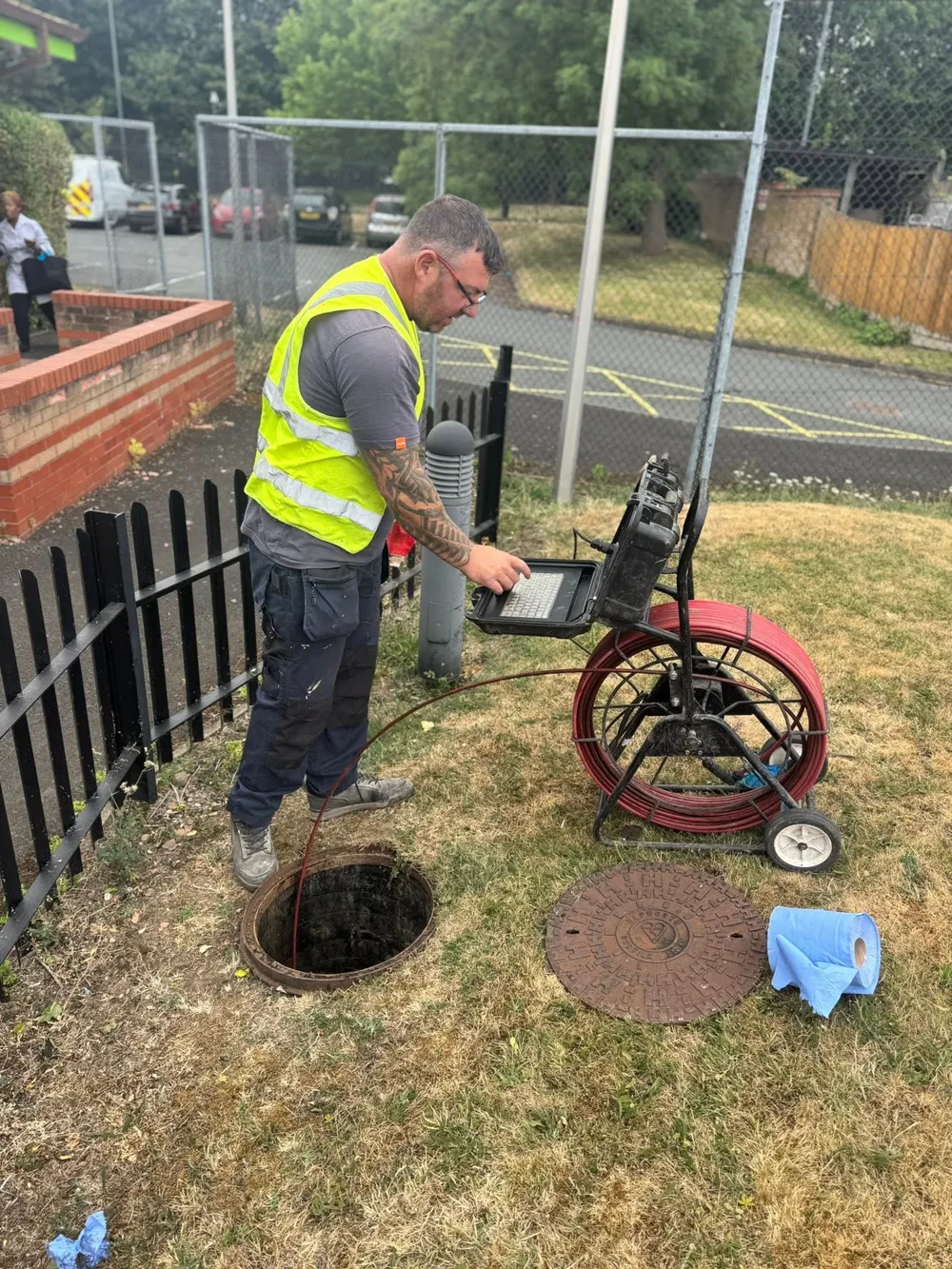
Why there is no single price for every blockage
“Blocked drain” describes a symptom, not a defined job. A local restriction in an accessible section can involve different work from a blockage deep in a shared route or a damaged pipe below a hard surface. The property type, access point, time needed to identify the affected line and condition of the drain can all change the scope.
A quote may also differ depending on whether the work is clearance only or includes CCTV inspection, a report, repair, lining or excavation. Clearing a restriction does not repair structural damage. If the drain repeatedly blocks, understanding the cause may avoid agreeing to the same limited work without checking why it returned.
Details that help scope the work
Share which fixtures are affected, when the issue began, whether wastewater is escaping, whether the drain has blocked before and what previous reports say. Identify the property type and whether access is available from an outside chamber, without opening it yourself. Mention surface constraints such as a paved area only if known. For commercial sites, describe access arrangements and operational restrictions.
Ask what the quote includes, whether diagnosis or CCTV is separate, what happens if the blockage cannot be cleared, and whether repair work is excluded. Confirm any callout, cancellation or additional-work terms directly with the provider before agreeing. A written scope helps compare like with like.
If a repair is proposed
Ask what evidence shows damage and where it is located. CCTV inspection can help record visible conditions. Depending on the pipe, the options may include a local repair, lining or excavation. See repair options explained.
For a property in Birmingham or the West Midlands, use contact to describe the issue and request a scope. The quote should reflect the actual access, findings and agreed work at your property.
Compare a quote by what it includes
- Attendance and diagnosis: ask whether the quote covers a callout, initial checks and any attempt to identify the restriction.
- Clearance: ask which accessible section and method the scope covers, and what happens if flow cannot be restored.
- CCTV survey/report: confirm whether inspection is included or separately charged, which route is inspected, and whether you receive a recording or report.
- Repair: distinguish a temporary return to flow from structural repair. Confirm whether lining, excavation, reinstatement and follow-up checks are included.
- Changes to scope: ask how further work and charges will be discussed and approved before proceeding.
The property’s access, depth of the pipe, type of blockage, surface above it and system condition may affect time and method. If the pipe is shared or could be public, first clarify whether the water company or private owner should act. A quote for a private pipe should not be treated as a charge for work on the public network.
Keep the written scope with any survey or previous invoice. If two quotes use different descriptions, ask each provider to explain the work in plain language before comparing them. Avoid treating an advertised starting figure as a quote for your address; this guide provides no price range because no property inspection or operator price schedule is available here.