When a drain may need excavation
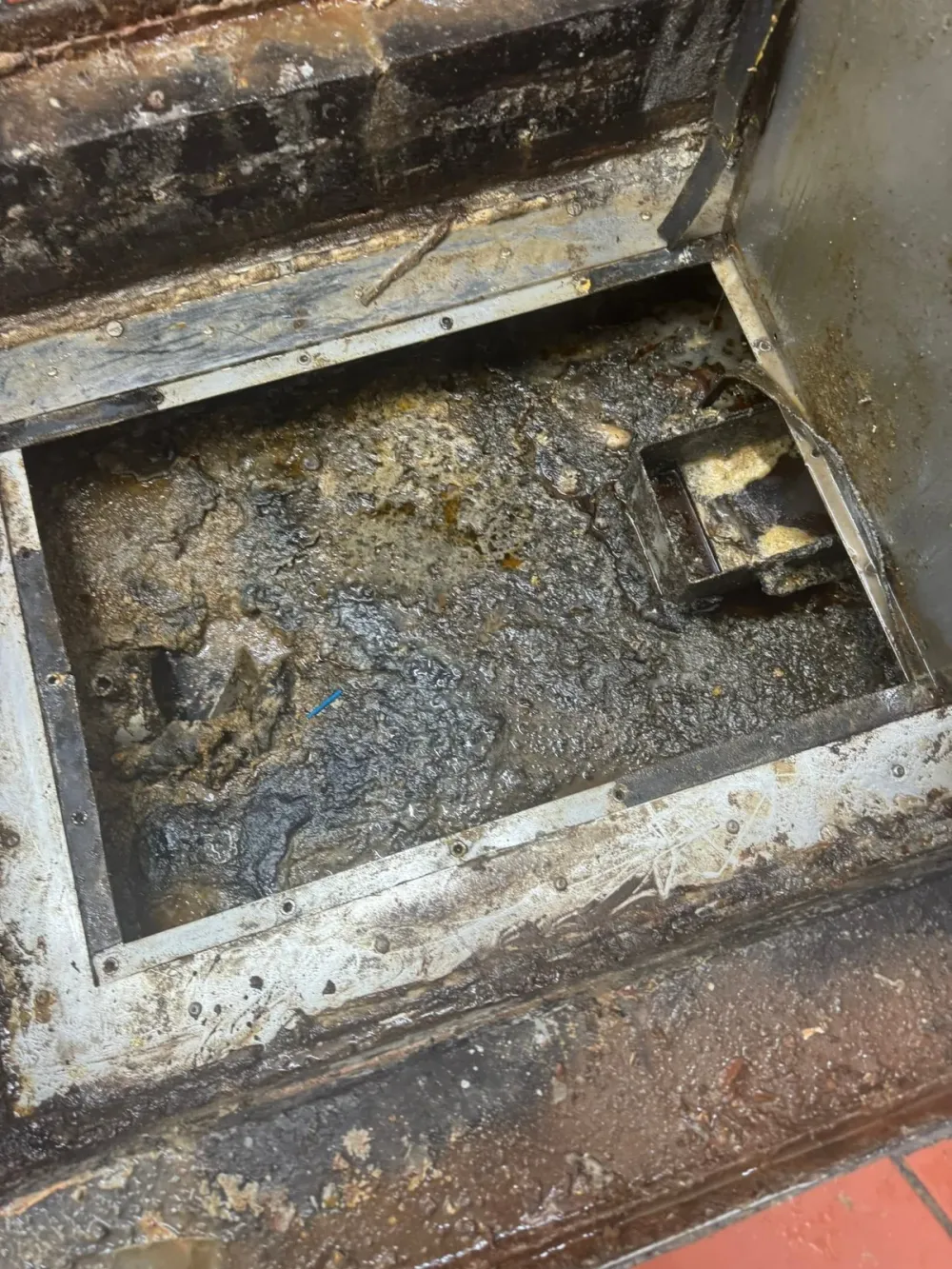
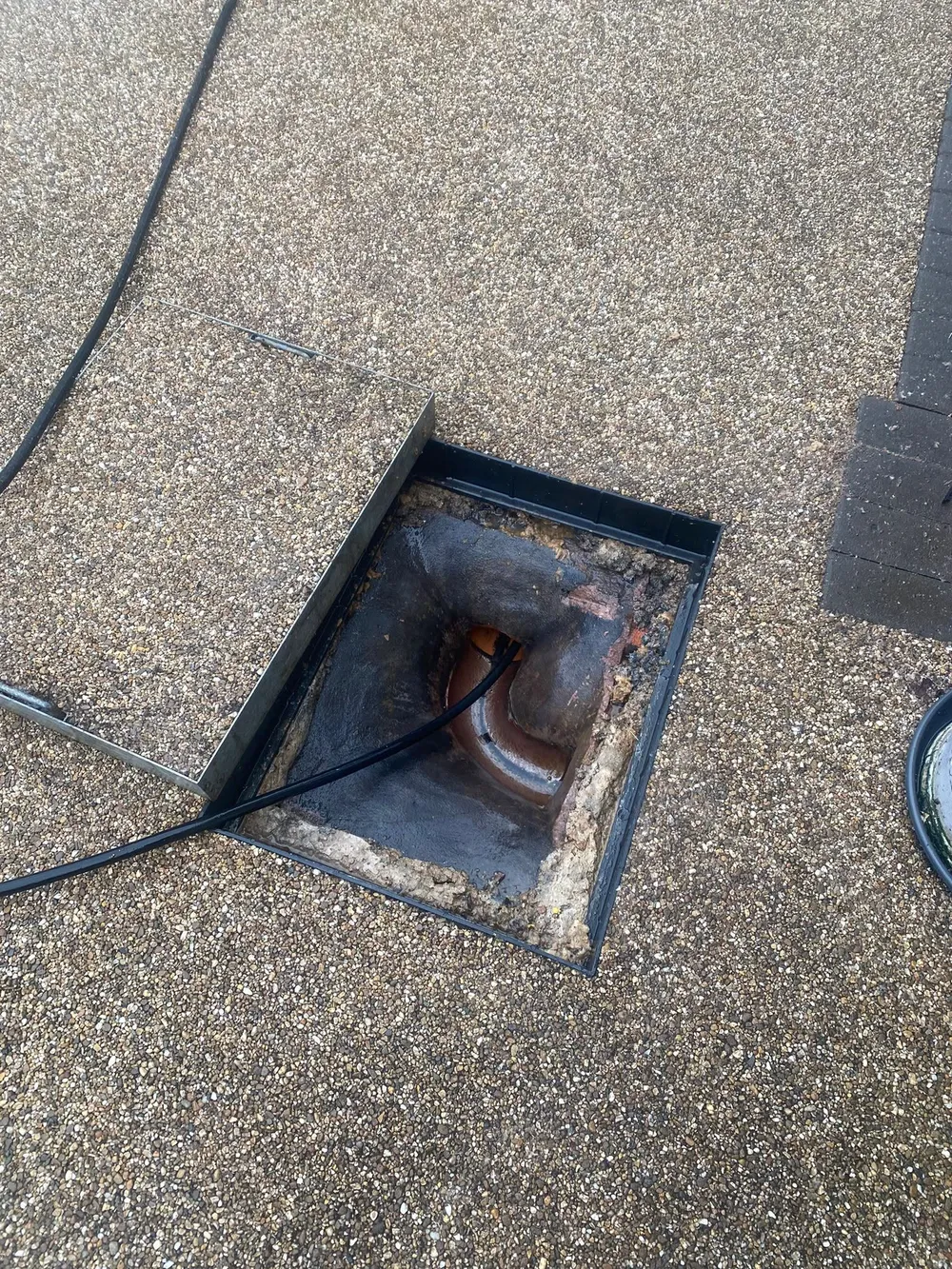
Some defects can be treated through an existing access point. Others may involve a collapsed, severely deformed or inaccessible pipe section that needs to be exposed. Excavation may also be considered when the surrounding pipe cannot support a lining repair or when a direct replacement gives a clearer solution. A symptom such as repeated blockage is a reason to investigate, not proof that digging is needed.
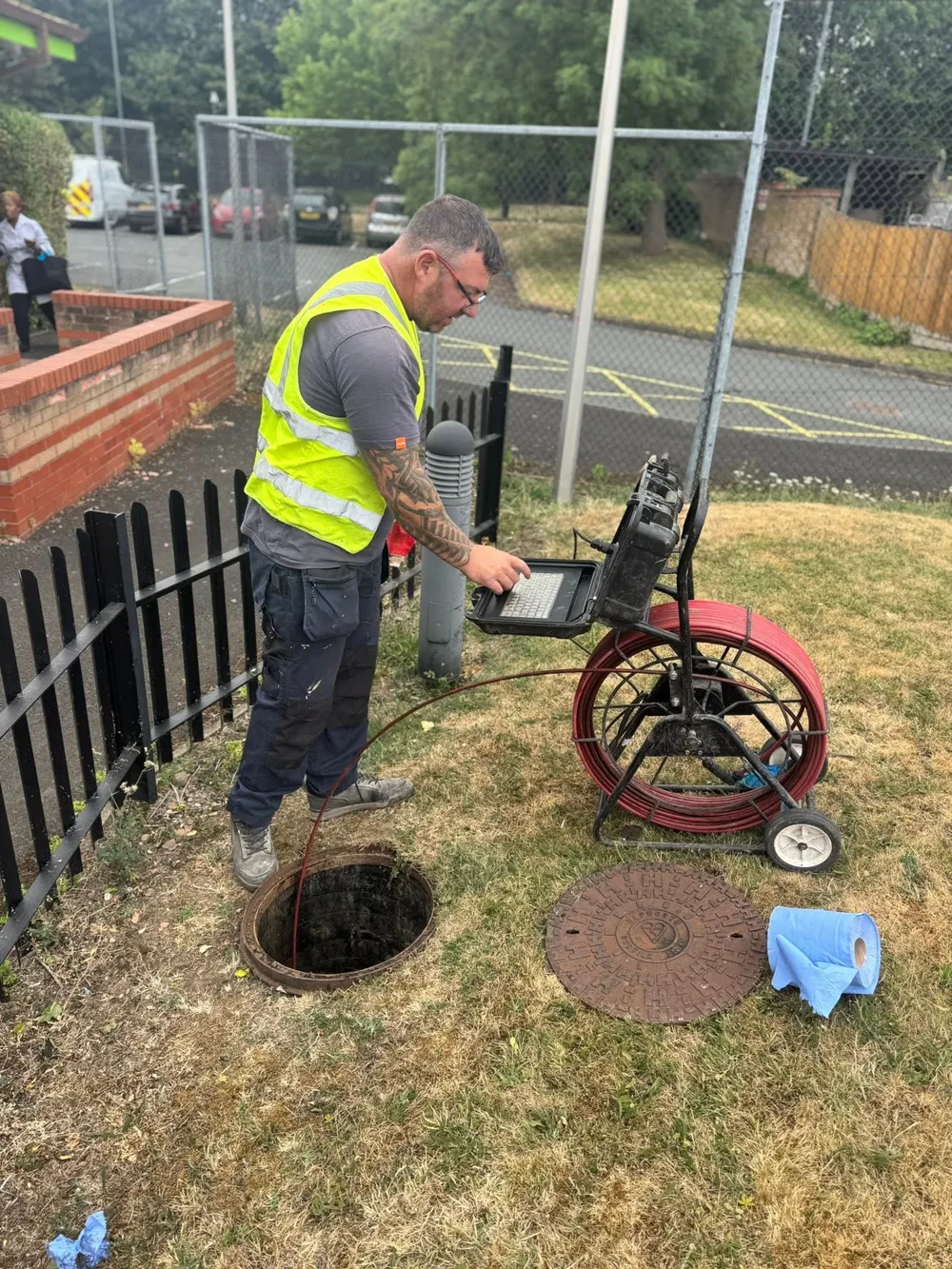
A CCTV drain survey may help locate a defect and narrow the area to inspect. The survey’s route and visibility limits matter; plans, access points and previous repair records can also help. A defined location and reason for the work are important because excavation affects the surface above the drain.
Factors to understand before work
The depth and route of the pipe, surface type, access for equipment, nearby utilities, boundaries and the amount of reinstatement all influence the work. The method should account for the property and its use. A clear scope explains the area affected, the intended repair, what happens to removed material and how the surface will be restored. Site conditions can change what is practical once the pipe is exposed.
Compare excavation with a suitable local drain repair or lining option. Lining may avoid opening some surfaces where the host pipe remains suitable. Excavation provides direct access but involves opening the ground. The repair options guide explains the trade-offs without assuming one approach is always best.
Ownership and preparation
Before arranging work, establish who is responsible for the section. Water-company responsibility commonly applies to public sewers and certain shared pipes, while a private drain serving one property is usually the owner’s responsibility. Layout and development history can affect the answer. Check the relevant water company and consult the responsibility guide if uncertain.
For a site in Birmingham or the West Midlands, provide any survey, plan or previous repair information through the contact page. A recommendation should follow inspection and explain the evidence, access needs and surface implications.
A defined location helps limit disruption
Excavation is easier to plan when the fault has been located as precisely as possible. A CCTV record, drainage plan and accessible inspection points can narrow the area, though hidden utilities and site conditions still need consideration. Ask what evidence identifies the target section and what further checks are required before breaking the surface. Avoid approving an undefined area of work when the available evidence supports a more specific scope.
The affected surface, depth and access influence the practical impact. Confirm what reinstatement is included, how the work zone will be managed and how any newly discovered conditions will be discussed. Where a pipe could be shared or public, establish responsibility first with the relevant provider; the ownership guide explains the usual boundary.
A repair below a driveway, garden or shared access route may affect use of that area while work proceeds. Ask who is responsible for keeping the work zone secure and how access will be restored at the end of each work period. These arrangements are part of planning the job and should be clear alongside the technical repair scope.
Quick answers
Questions about drain excavation in birmingham
Does a recurring blockage mean the drain needs excavation?
No. Recurrence is a reason to investigate. A survey and site assessment may identify clearance, lining, local repair or excavation as appropriate options.
What should an excavation proposal include?
Ask which pipe section will be exposed, what evidence locates it, what surface access and reinstatement are included, and how changed conditions will affect the agreed scope.
Can CCTV reduce the area that needs to be dug?
A camera record may help locate a visible defect along an accessible route. It cannot remove the need for site checks or account for every hidden condition.