When a blockage needs prompt attention
A blockage may affect one outlet or several connected fixtures. A single sink backing up can have a local cause; toilets, baths and lower level outlets affected together may indicate a restriction farther along the system. An external chamber that rises when water is used is another important sign. These clues help describe the situation, but they cannot confirm the exact fault without inspection.
Emergency drain unblocking is intended to restore flow where a blockage can be reached and safely cleared. The assessment starts with what is happening, when it began, which outlets are involved and whether there have been earlier blockages. If wastewater is escaping, keep children and pets away, avoid contact, and reduce water use at the affected fixtures while help is arranged.
What the visit may involve
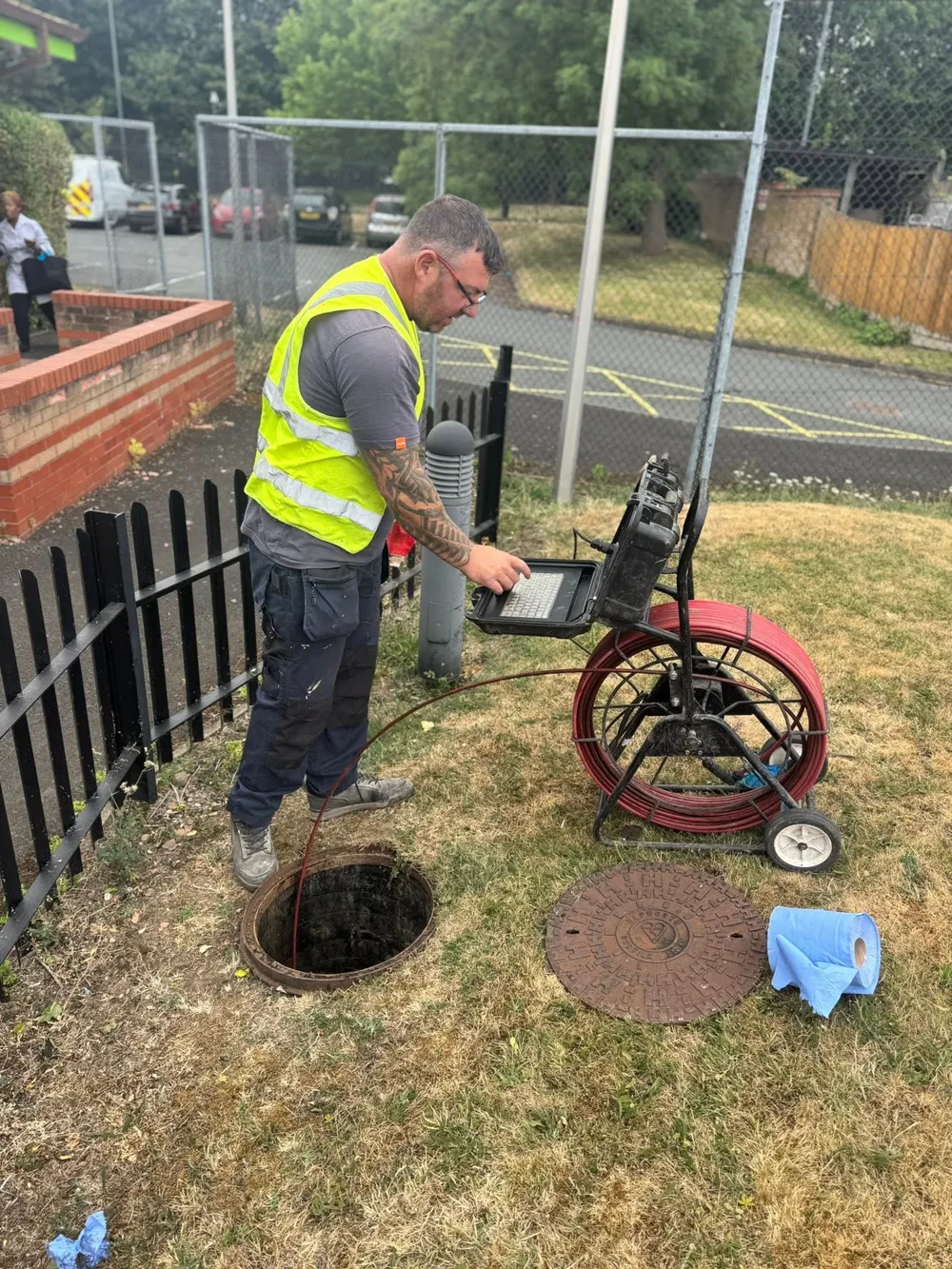
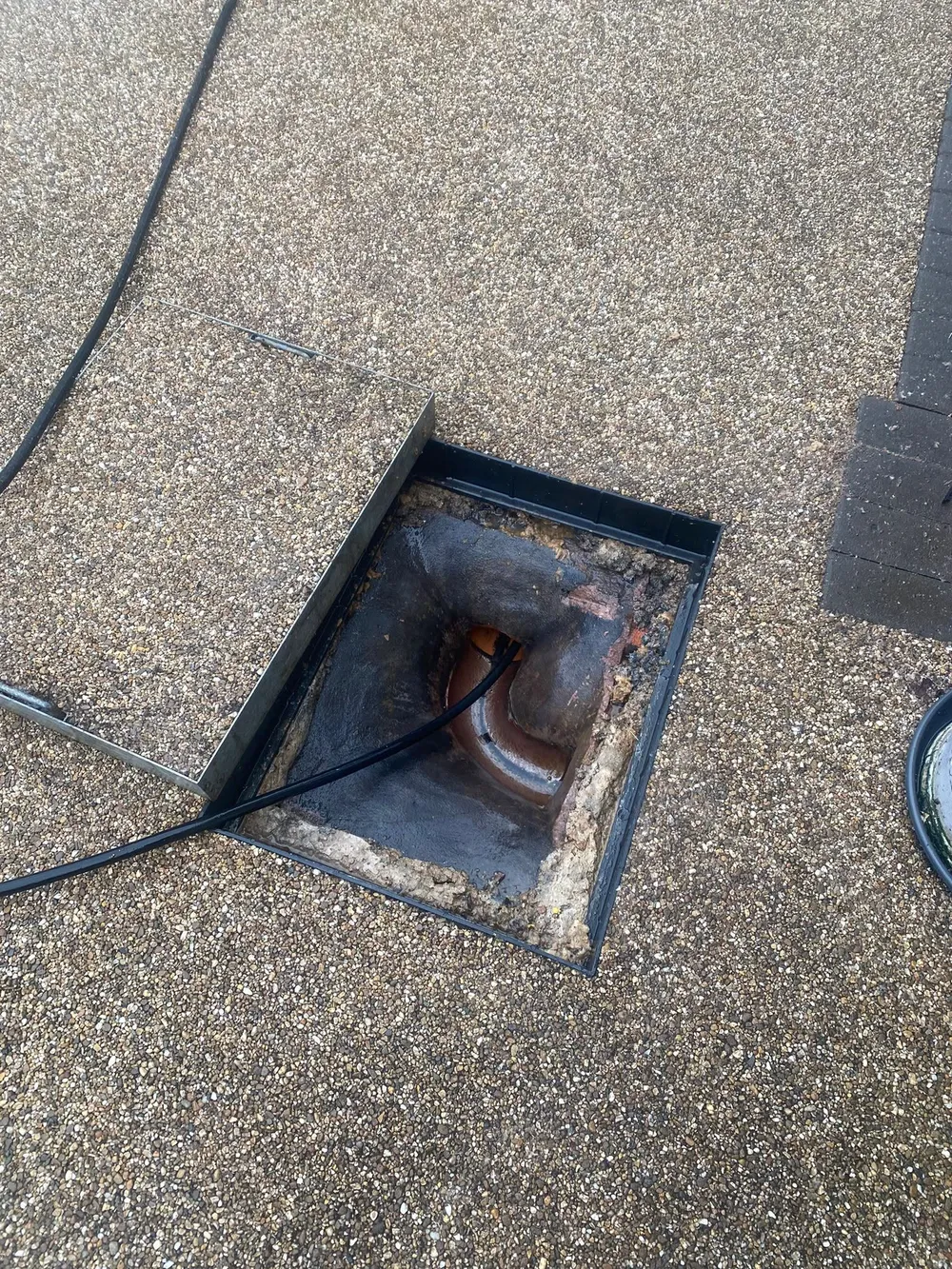
The method depends on the drain layout, the likely location of the obstruction, access and the condition of the pipe. A technician may inspect an accessible chamber and use appropriate clearance equipment. The immediate goal is to remove the restriction where possible. If the drain clears but symptoms persist, or if evidence suggests a damaged section, further investigation may be needed.
A blockage that returns is a reason to look for an underlying cause rather than repeat clearance indefinitely. A CCTV drain survey can inspect the internal pipe surface. Findings may lead to a repair, lining or excavation discussion, depending on the defect and site conditions.
Information to gather
When you get in touch, explain whether the issue is inside or outside, what happens when water is used, whether neighbours are affected and whether the problem has returned before. Do not open a chamber or enter a drain to investigate. Keep any photos taken from a safe position; avoid approaching overflow water.
For symptom-specific guidance, see blocked outside drains, blocked toilets and wastewater backing up. To understand responsibility before arranging private work, read who is responsible for a drain?.
What affects clearance
The accessible entry point, pipe diameter and route, type of obstruction and condition of the drain affect the equipment and approach. An obstruction may be beyond a bend, behind deposits or in a pipe whose condition limits what can be done safely. In those cases, the initial assessment may identify that more investigation is needed rather than a simple one-step clearance. The work scope should be explained before additional work is agreed.
After flow is restored, note whether the symptoms have fully stopped and whether any signs remain. If one outlet still drains slowly or the same point blocks again, share that information instead of treating the first clearance as proof that the underlying issue is resolved. A survey can help examine suitable sections, while repair options depend on what inspection finds.
Choose a clearance method from the condition
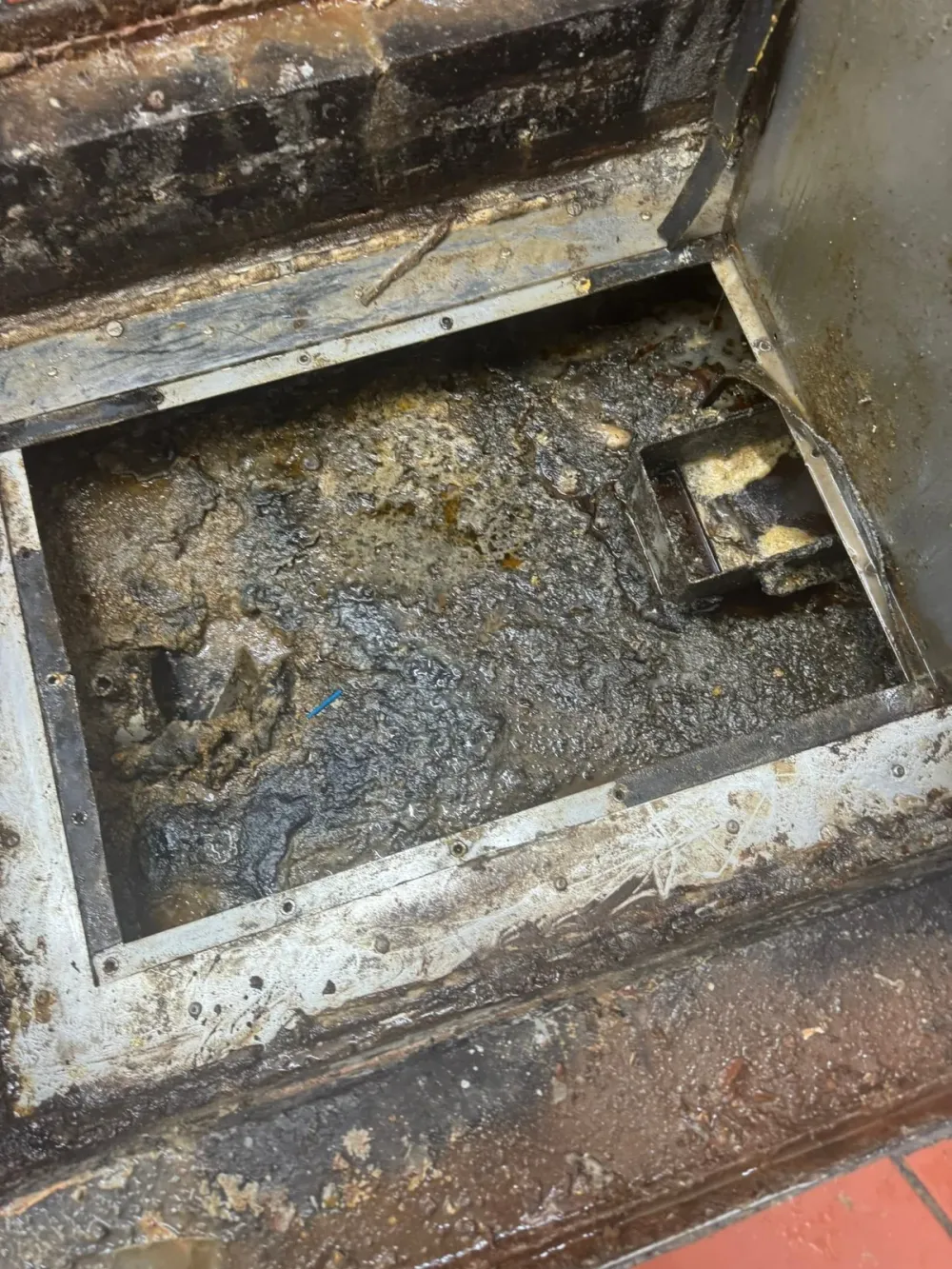
Outside drain blockages can be associated with leaves, grease, roots or other foreign material. Those are possibilities, not a remote diagnosis. Depending on the obstruction and pipe condition, the assessment may consider ordinary unblocking or high-pressure water jetting. Pressurised water can break down some stubborn obstructions, but jetting is not a structural inspection and may not suit every pipe.
If the blockage cannot be identified or the same line blocks again, CCTV inspection may help show visible conditions in an accessible section. If damage is found, discuss the evidence and repair options before agreeing to additional work. Clearing flow and diagnosing the cause are separate tasks.
A drain that is not overflowing may still need prompt attention if several fixtures stop working or the problem is getting worse. By contrast, an isolated slow outlet with no wastewater escape may allow time to gather previous reports and compare symptoms. Explain the impact honestly so the urgency can be assessed on the actual conditions.
For outside work, the assessment may identify access, likely restriction and pipe condition before selecting rods, jetting or another suitable method. Once the obstruction is addressed, confirm what post-clearance flow checks were completed and whether the surrounding area was included in the clean-up. Ask what those checks establish: restored flow is useful evidence, but it is not a structural survey or a guarantee against another blockage. If there is remaining doubt, agree whether inspection is needed and which section it can reach.
Quick answers
Questions about emergency drain unblocking in birmingham
Will unblocking repair a damaged drain?
No. Clearance targets an obstruction. If symptoms recur or inspection shows damage, repair is a separate decision based on the evidence.
How can I tell whether the blockage is in one fixture or a shared drain?
Report exactly which outlets are affected and whether they changed together. Several fixtures or an outside chamber rising during water use may suggest a wider restriction, but do not prove its location.
What happens after the blockage is cleared?
Check whether the reported symptoms have stopped during ordinary use and note any remaining slow flow, noise or recurrence. A clear flow alone does not prove the pipe has no defect.