Keep solid waste out of the system
Only toilet paper and human waste should be flushed into a toilet. Wipes, sanitary products, cotton buds, dental floss, nappies and kitchen roll can remain in the drainage system and contribute to a blockage, even when packaging describes a product as flushable. Put fats, oils, coffee grounds, food scraps and cooking residue in the bin rather than washing them down the sink.
Use a suitable sink strainer to catch food debris, and wipe greasy cookware before washing. For baths and showers, a hair catcher can reduce loose hair entering the waste pipe. These steps reduce some avoidable material; they cannot prevent a pipe defect or guarantee that a drain will never block.
Pay attention to changes
Slow flow, gurgling, repeated smells or an outside chamber that rises when water is used can signal a developing issue. Note which fixtures are involved and whether the pattern repeats. Do not pour chemical products into a drain to suppress symptoms, particularly if a contractor may need to inspect or clear it.
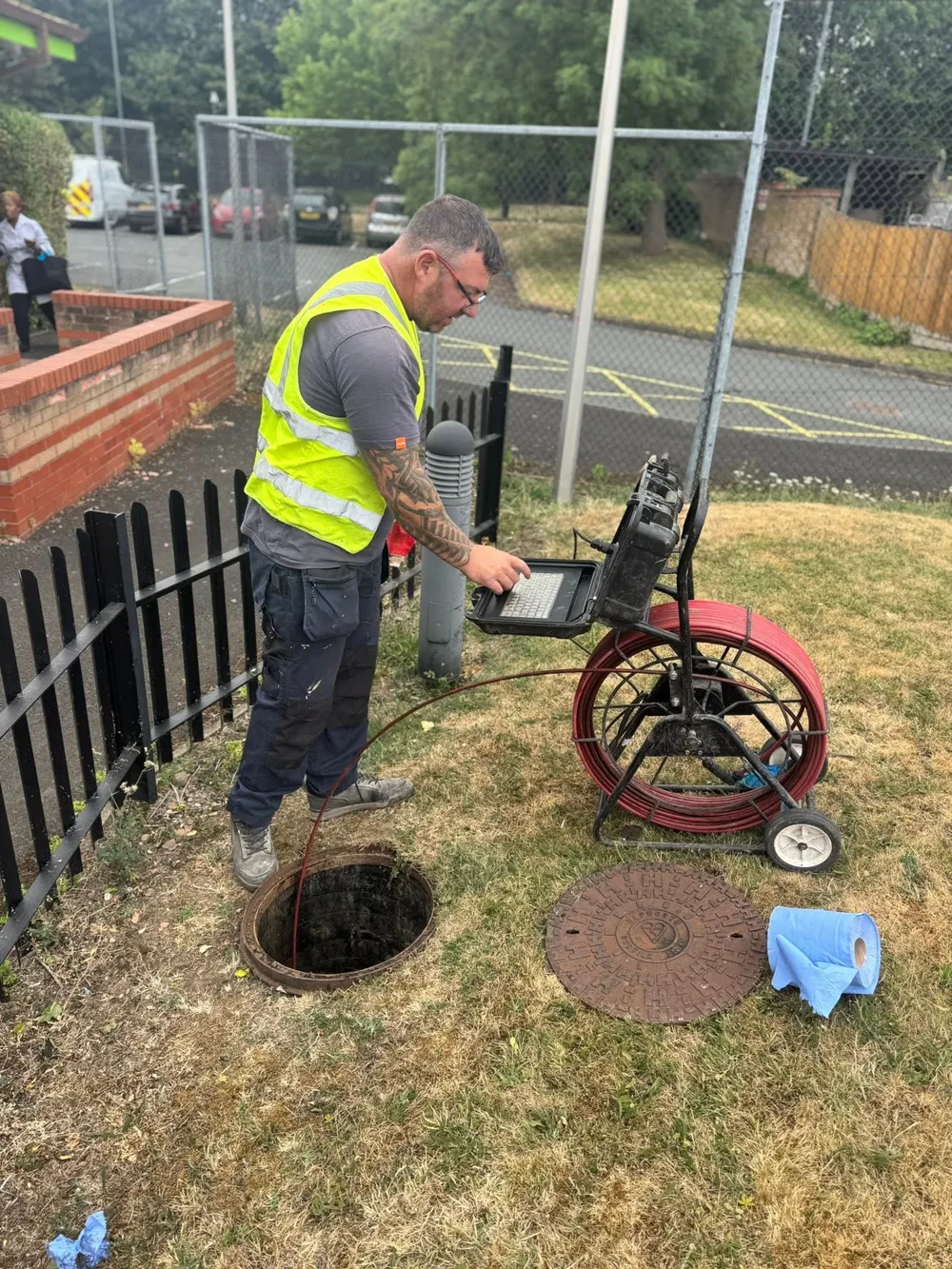
A one-off restriction may need unblocking. If the same point blocks again, a CCTV survey can help investigate visible conditions. Repeated clearance without understanding the cause can leave an underlying issue unresolved.
Plan for properties and businesses
Landlords and property managers can keep dates, reports and repair records so that a repeat issue is easier to assess. Commercial kitchens and high-use facilities may need a maintenance approach suited to their system, activity and previous incidents; do not assume a universal schedule. The commercial drainage maintenance guide offers a planning checklist.
If a drain is slow or blocked in Birmingham and the West Midlands, compare the problem guides and use contact if professional assessment is needed.
A simple household prevention check
- Put wipes, sanitary products, cotton buds, nappies and kitchen roll in the bin, even when a product is labelled flushable.
- Scrape food residue into the bin and collect cooking oil or fat separately instead of rinsing it into the sink.
- Use a sink strainer or hair catcher where useful, and empty it into the bin.
- Notice persistent slow flow, gurgling, repeated smells or wastewater returning; do not mask a repeat symptom with chemicals.
Severn Trent says its wastewater system is designed for human waste, wastewater and toilet paper, and warns that wipes, sanitary products, fats and oils can contribute to blockages (blocked drains guidance). Follow local waste-disposal advice for oil, medicines, paint and other materials; do not pour them into a drain. These habits can reduce some avoidable causes, but cannot prevent structural defects or guarantee that a drain will not block.
If a blockage recurs, write down the affected fixtures and any work already done. A CCTV survey may help inspect an accessible section; it is not a substitute for a diagnosis of every connected pipe.