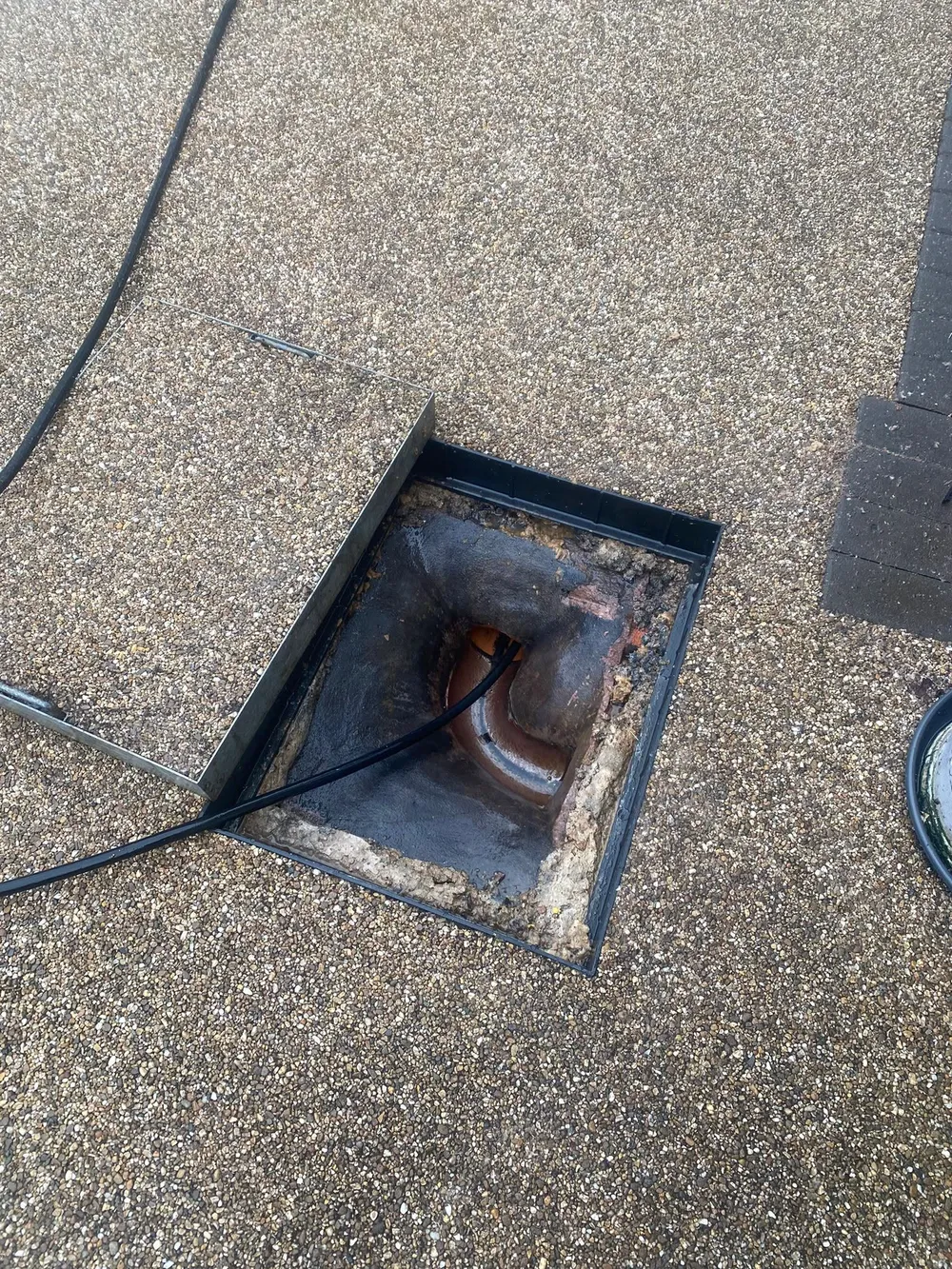
The usual distinction
A private drain generally serves one property within its boundary. A lateral drain connects a property to the public sewer but runs outside the boundary. A public sewer serves the wider network. In England, many shared wastewater pipes and lateral drains transferred to water and sewerage companies, but pipe layouts, development history and adoption arrangements can affect responsibility.
A pipe’s position alone may not settle the question. A drain within a garden could be shared; a lateral drain can cross private land; and a private system may not connect to the public sewer at all. Road gullies and highway drainage are usually handled by the relevant local authority, not a private drain contractor.
| Pipe or system | Usual party to ask | Important limit |
|---|---|---|
| Private drain serving one property within its boundary | Owner or landlord | Confirm the route and any shared connection |
| Public sewer or adopted lateral drain | Sewerage company | It may run across private land |
| Road gully or highway drainage | Local/highway authority | Authority varies by road and location |
| Septic or self-contained system | Private system owner | Check system documents and local requirements |
How to check for your property
Identify the affected pipe only from plans or a safe external observation; do not lift covers or enter a chamber. Ask neighbours whether they are affected, but treat this as a clue rather than proof. Contact the sewerage company that serves the address and request its view of the network and ownership boundary. The company can advise whether it should investigate a reported sewer issue.
For properties served by Severn Trent, its wastewater responsibility guide describes private drains as pipes within a boundary serving one property and explains public sewers and lateral drains. Severn Trent also notes the importance of development date and adoption in some layouts. Other providers publish their own guidance; confirm the correct provider and current advice for the address.
Why responsibility matters before work
If a public sewer may be blocked, report it to the water company before authorising private work on that section. For a private drain, the property owner or landlord may need to arrange repair or clearance. If ownership remains uncertain, keep the written response and any plan or report with the property records.
For a suspected private blockage, see emergency drain unblocking. If a fault recurs, CCTV survey may help locate it. A repair discussion should follow evidence, not assumptions about pipe ownership.
A practical responsibility check
- Identify the sewerage provider. Check a recent water bill or ask the water company; the water supplier and sewerage provider may differ.
- Describe the symptom and location. Tell the provider whether one property or neighbours are affected and where water is appearing. Do not open a chamber to identify a route.
- Ask the provider to check its records. Sewer maps can help, though records may not show every adopted pipe or the full layout.
- Get the boundary in writing where possible. Keep the response and any plan with property documents before arranging private repair.
Ofwat’s guidance says sewerage companies are responsible for public sewers, which may run through private gardens, and that householder or landlord responsibility normally covers drains and private sewers up to connection with the public sewer (Ofwat public/private sewers). Severn Trent explains that pipes within a boundary serving one property are generally private, while shared drains, lateral sections, new developments and adoption history can complicate the picture (Severn Trent guide).
These are general England-oriented explanations, not a property ruling. A pipe can cross someone else’s land yet be public, or sit on one property while serving only that property. A road gully or highway drain may belong to the highway authority. If the affected line is a private drain, see unblocking or repair options; if the public network is suspected, report it to the sewerage company first.