Drain cleaning for working premises
A drainage problem at a workplace can affect staff, visitors, tenants, customers or daily operations. Commercial drain cleaning covers planned or problem-led cleaning of drainage systems at business premises and managed sites. The scope should reflect the building, usage, access and the specific system being addressed rather than assume every site needs the same schedule.
A useful starting point is to identify the affected area, what enters the drain, how often symptoms occur and whether previous work has been carried out. Kitchens, washrooms, shared facilities and external drainage can place different demands on a system. Keep maintenance records and note repeat incidents; recurring issues may indicate a need to investigate the pipe rather than schedule cleaning alone.
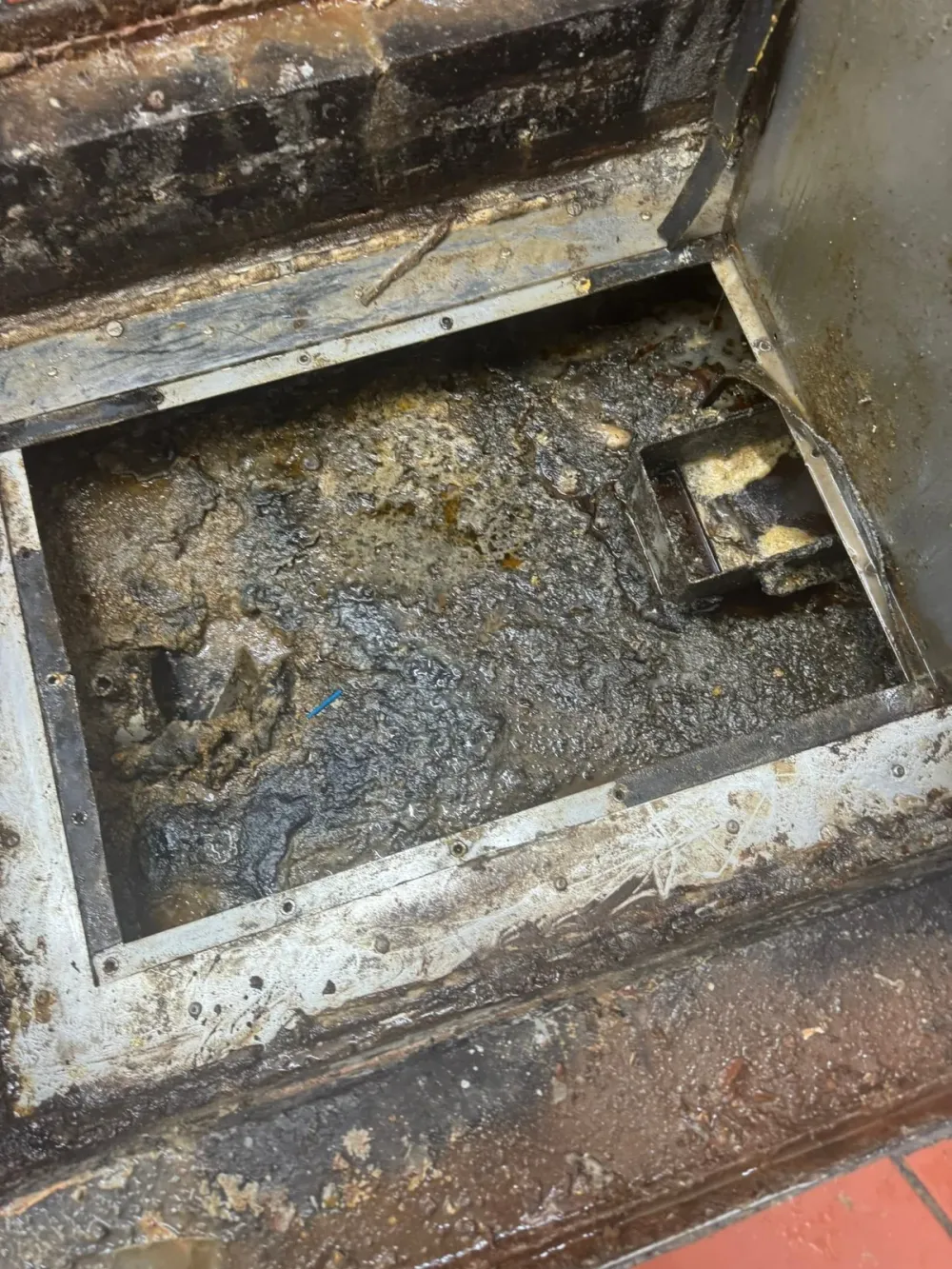
For a commercial kitchen or food-preparation area, record which sinks or floor drains are affected, when slow flow appears and whether food scraps or cooking oils may be entering the system. This helps target the discussion without presuming that a grease trap is present, included in scope or the cause of a restriction. Ask which pipework or equipment the proposed cleaning covers and whether downstream drainage is included. Fats and food solids should be kept out of sinks where possible; Severn Trent’s blocked-drains guidance gives household disposal advice, while a business should follow its own waste-handling arrangements and applicable requirements.
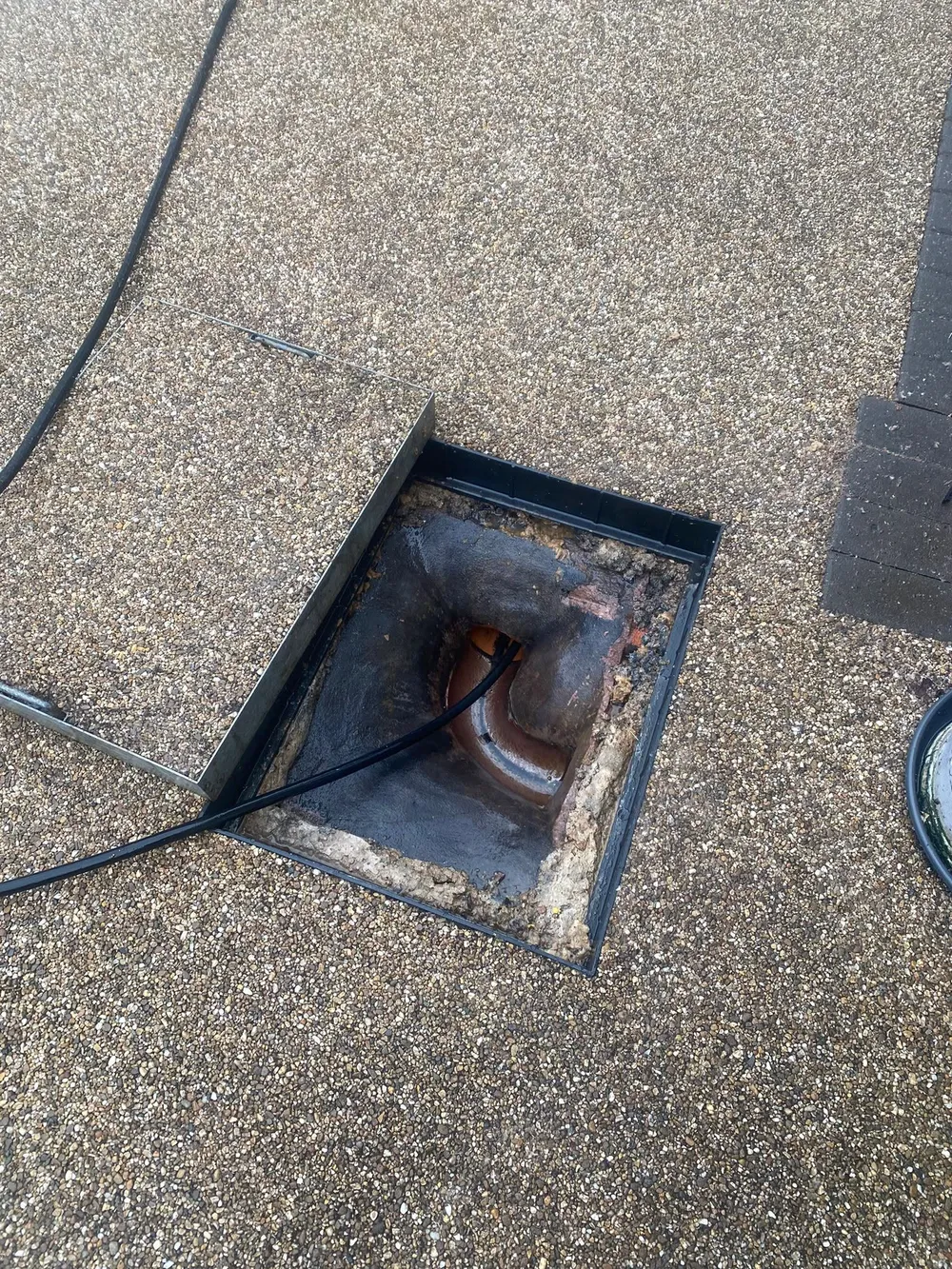
If the site has a grease interceptor or similar equipment, include its location, the fixtures it serves and any existing maintenance record in the enquiry. Ask explicitly whether that equipment is part of the proposed work; a general drain-cleaning visit does not establish that grease-handling equipment will be inspected or emptied. This keeps the enquiry tied to actual site equipment and the confirmed work scope.
Cleaning, investigation and maintenance
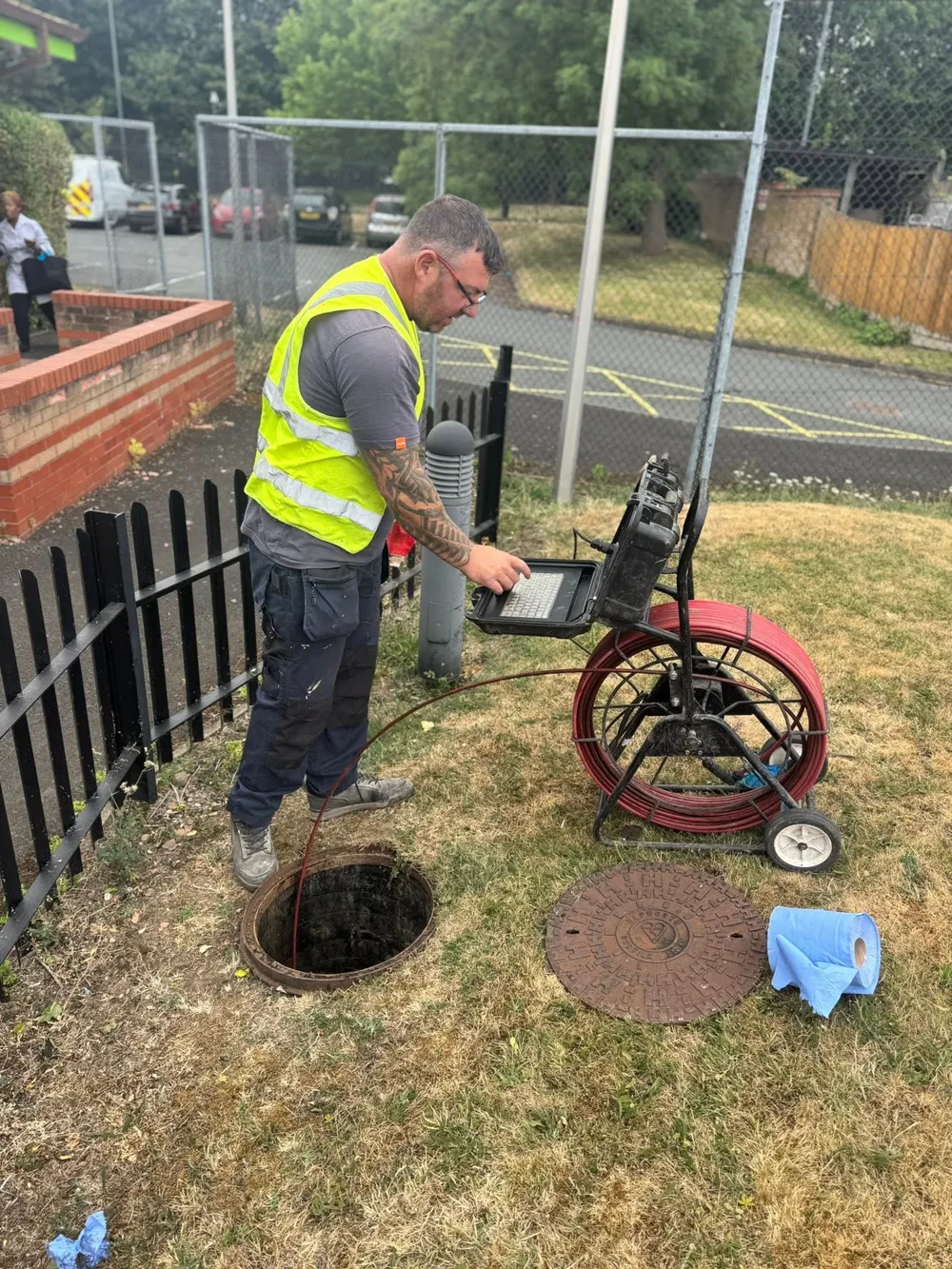
Cleaning removes deposits or restrictions that affect flow. It does not repair damaged pipework or confirm the overall condition of hidden drains. Where faults recur, a CCTV survey may help locate a cause. Findings can then inform drain repairs, lining or excavation where appropriate.
A site plan can make a maintenance discussion more precise. Useful details include access points, the areas served, known shared sections, operating hours that affect access and any previous incident reports. No fixed cleaning frequency should be assumed without understanding the system and its use. A maintenance schedule should be reviewed when site use changes or repeated blockages occur.
Coordinating work at a commercial site
Before a visit, identify a site contact, access and any local rules for contractors. Consider how affected facilities will be managed during work and whether tenants or staff need notice. Keep people clear of any wastewater overflow and do not open chambers or enter confined spaces to investigate.
For planned cleaning or a recurring issue in Birmingham and the West Midlands, use the contact page and describe the premises, system and symptoms. For urgent incidents see commercial drainage problems and the incident preparation guide.
Make the visit work for the site
A site contact can help identify access points, affected units and any restrictions on work hours or equipment movement. Before the visit, decide how facilities will be managed if they need to be temporarily unavailable and how occupants should report new symptoms. If the site has multiple buildings or tenant areas, provide a simple plan or location description so the cleaning scope is clear.
After cleaning, record the date, system area, issue reported and any observations about the condition of the drain. If the same point blocks again, use the incident record to decide whether a CCTV survey is needed. Cleaning restores flow where deposits are responsible; a recurring structural problem may need a separate repair assessment.
Cleaning records are especially useful when a site has multiple drainage zones. A simple map reference or room name can help the next visit compare like with like. Share the record with the facilities team and note any change in occupancy, kitchen use or equipment that may alter how the system is used. That gives future decisions a factual starting point rather than an assumed routine.
Quick answers
Questions about commercial drain cleaning in birmingham
How often should commercial drains be cleaned?
There is no single interval suitable for every site. Use system layout, use, previous incidents and inspection findings to decide whether planned cleaning is appropriate.
What should a business share before a cleaning visit?
Identify affected areas, access points, site contact, operating constraints and relevant incident or maintenance records. For food-service areas, describe how fats and food solids are managed without assuming a particular trap or service is included.
Does cleaning fix a damaged or repeatedly blocked pipe?
Cleaning can remove deposits affecting flow; it does not repair structural damage. Recurring problems may need CCTV investigation and a separate repair decision.