What drain lining is designed to do
Drain lining is a repair method that places a liner inside an existing pipe to form a new internal surface across a suitable section. It may reduce the need to expose the full length of a pipe, but it is not suitable for every defect or layout. The existing pipe needs enough structural integrity and a route that can be prepared and accessed for the chosen system.
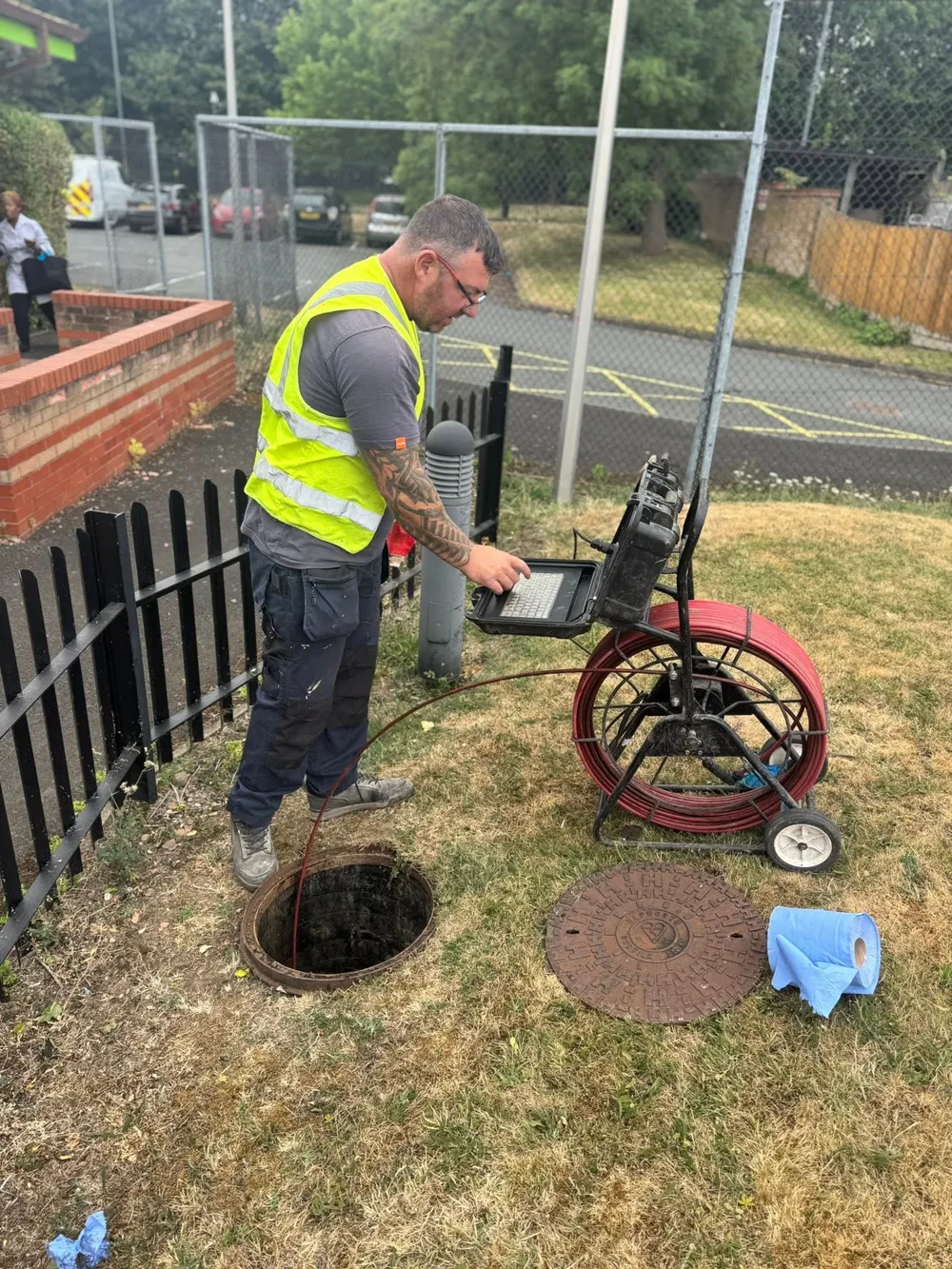
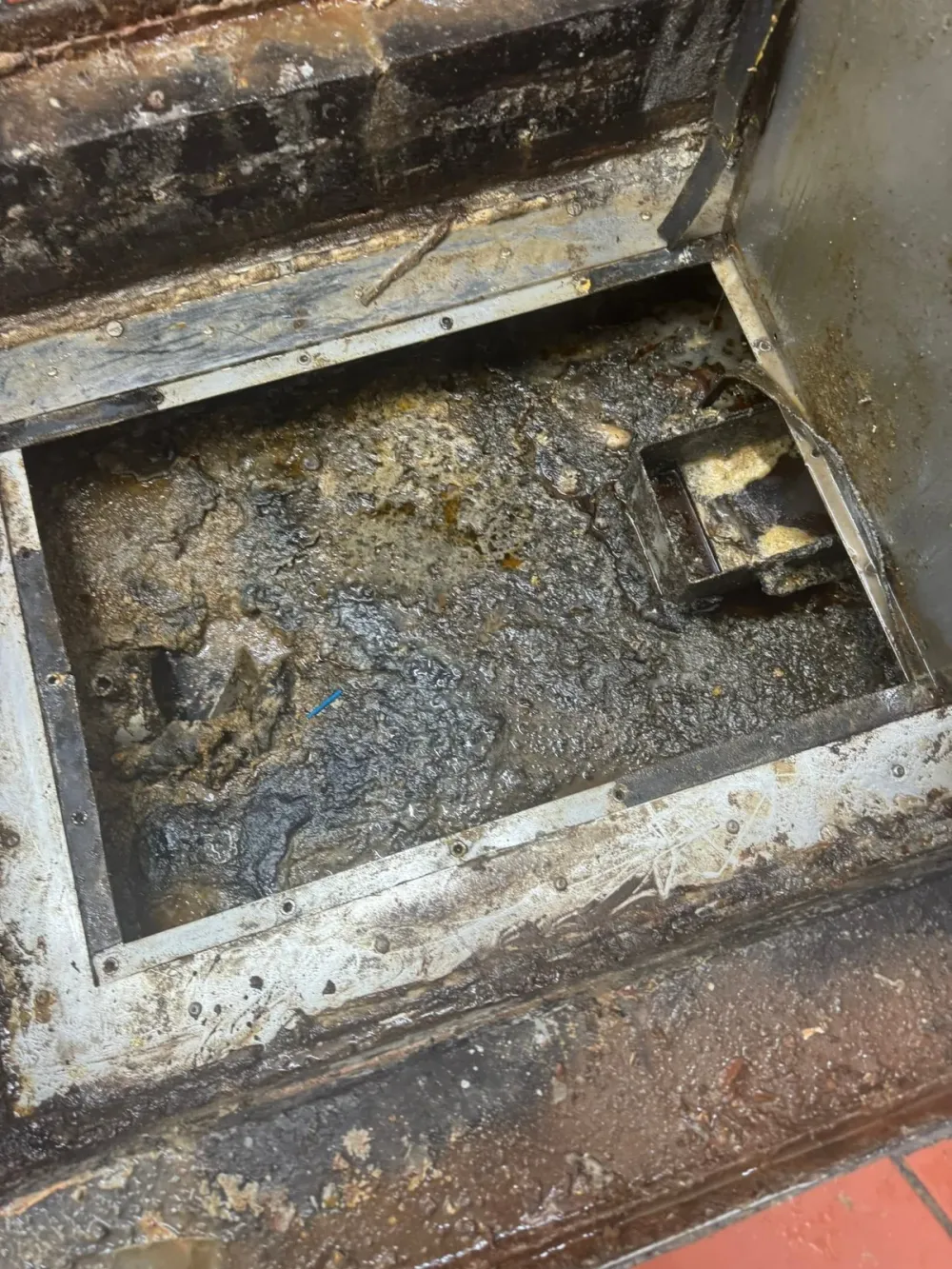
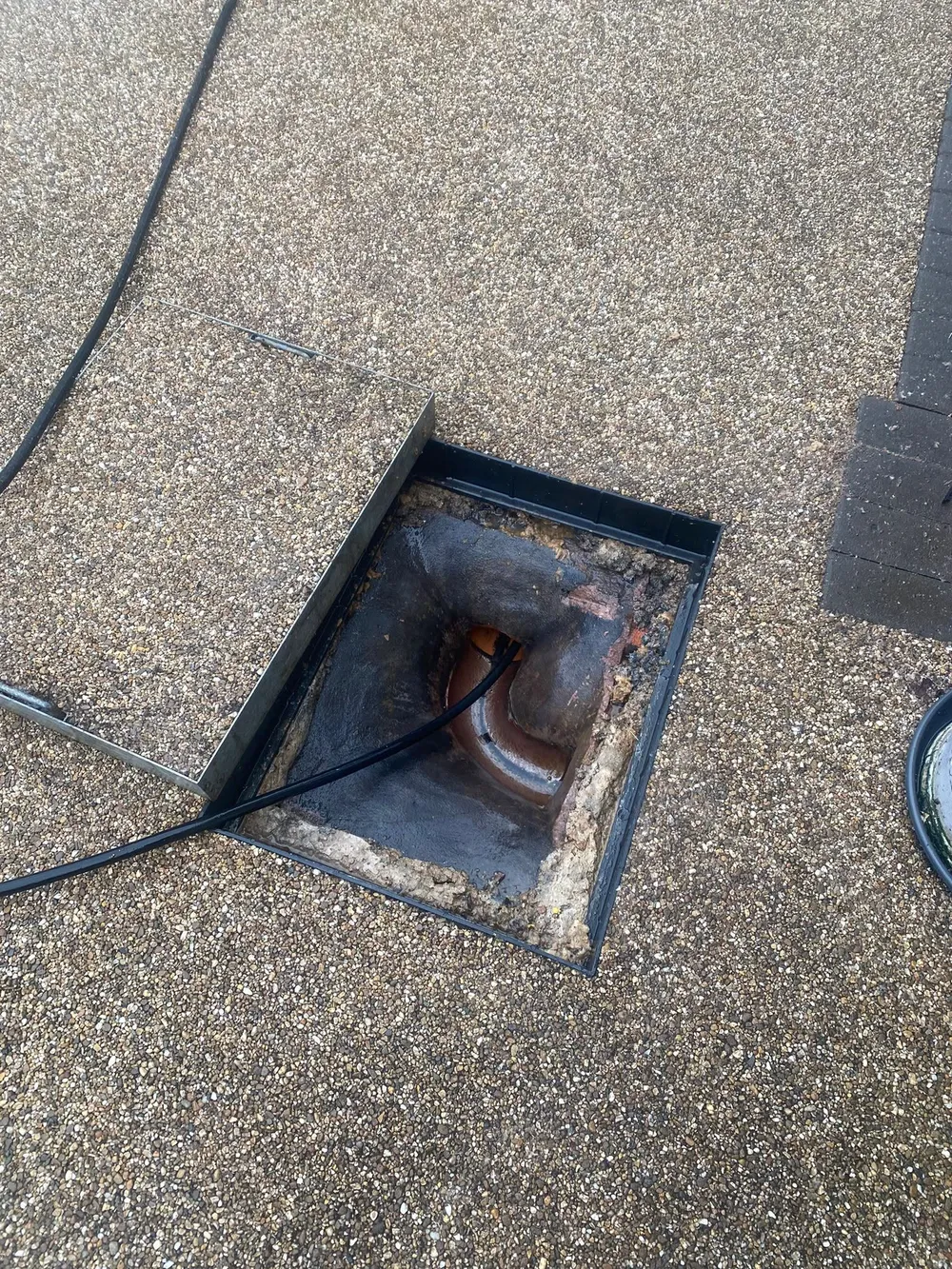
The first step is to establish what is wrong. A CCTV survey may help locate damage, identify joints and assess the route. Deposits or standing water can limit the view, and a camera finding needs interpretation in context. Where a blockage is present, it may need to be cleared before the pipe can be assessed or prepared for lining.
Factors that affect suitability
The location, length and shape of the defect matter. Tight bends, branches, changes in diameter, severe deformation, a collapsed section or a pipe that has lost its shape may make lining impractical or require another method. The chosen repair must preserve a usable flow path and connect properly to the remaining pipe. Access and the condition of the host pipe also affect the process.
Lining should not be described as a universal no-dig answer. A local drain repair or excavation may better address the condition found. Excavation can expose a specific section for direct repair or replacement; lining can avoid opening some surfaces where the pipe and defect are appropriate. A recommendation should explain why one route fits the evidence.
Questions to ask before work
Ask what the inspection found, which section is being repaired, what access is needed, what limitations apply and how the completed work will be checked. Keep the survey and repair record with property maintenance documents. If the pipe may be shared or outside the property boundary, confirm responsibility before authorising private work using the drain responsibility guide.
For a lining enquiry in Birmingham or the West Midlands, describe any report or known symptoms through the contact page. No method can be selected accurately from symptoms alone.
What the lining proposal should explain
Ask which pipe section will receive the liner, how the section will be prepared, what access is needed and how connections or branches are handled. The survey should support the chosen length and show that the pipe route is suitable for the system proposed. The liner changes the inside dimension of the pipe, so the proposal should explain how the repair preserves the intended flow and addresses the identified defect.
Lining is not a guarantee that every pipe can be repaired without excavation. A collapsed section, unsuitable geometry or access problem may make another method more appropriate. The repair comparison guide explains how to compare lining with direct access. Keep the inspection and completion records with the property file so later maintenance can account for the repair.
A lining discussion should also cover how branches and connections remain usable. Ask whether any side connections need reopening after the liner is installed and how that will be checked. The installer should explain preparation and curing requirements for the chosen system. Those practical details help you understand what the work involves without treating “trenchless” as meaning no disruption at all.
Quick answers
Questions about drain lining in birmingham
Can every damaged drain be lined?
No. The host pipe, defect shape, route, access and ability to prepare the section affect suitability. A collapsed or severely deformed pipe may need another approach.
Does drain lining mean there is no disruption?
No. Lining can avoid opening some surfaces when suitable, but access, preparation and side connections still need to be considered and explained.
How do I compare lining with excavation?
Compare the inspection evidence, affected section, access needs, pipe condition and surface reinstatement. The right method depends on the site and the defect.