Contain disruption and protect people
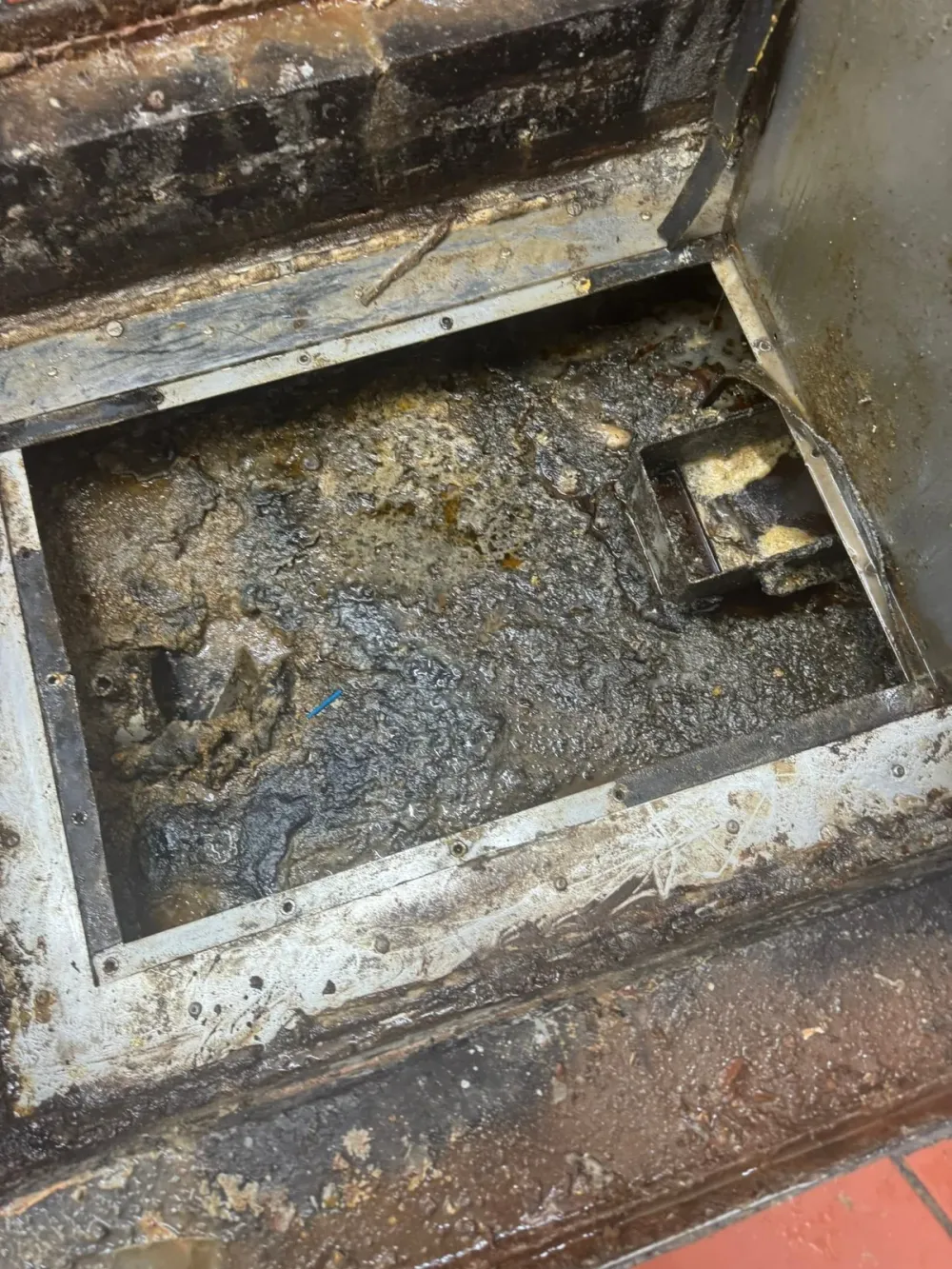
A blocked toilet, overflowing chamber or wastewater leak can affect staff, customers, tenants and daily operations. Start by identifying which facilities are affected and whether water is escaping. Keep people away from wastewater and any area where the ground may be contaminated or unstable. Do not ask staff to open chambers or enter confined spaces to locate the problem.
If sewage is entering the property or a public area, contact the sewerage provider when a public sewer may be involved. Notify the landlord, facilities manager or property owner according to the site’s arrangements. Where a private drain is suspected, arrange suitable assessment and explain the site location, access restrictions and ongoing impact.
Give the responder a usable picture
Record when the issue began, which rooms or units are affected, what activity preceded it and whether other buildings or neighbours report a similar issue. Identify a site contact who can provide access and share existing drainage plans or previous reports. Make sure any temporary closure or isolation is handled by the responsible site team.
Commercial drain cleaning may address cleaning needs; it will not repair a damaged pipe. If issues recur, CCTV survey can help investigate visible conditions. Findings may inform repair or a longer-term maintenance approach.
Review after the immediate incident
Keep an incident log with dates, affected locations, actions taken and reports received. Repeated blockage at the same point can signal a cause that a one-off clearance did not address. Maintenance should reflect the system and site use rather than a generic calendar.
For a commercial property in Birmingham or the West Midlands, use the contact page to explain the premises, issue and access. The commercial maintenance guide offers a checklist for planning, and drain responsibility helps frame public network questions.
Incident triage for the site contact
- One sink or toilet unavailable, with no escape: isolate use of that fixture and record the location; tell the facilities lead or property manager.
- Wastewater escaping or several areas affected: keep people clear and stop affected water use if safe; contact the sewerage company if its public network may be involved, plus a private drainage provider when the property system may be affected.
- Road gully or public highway flooding: keep staff clear of water and traffic and contact the relevant highway authority.
- Repeat failure at the same location: preserve incident and repair records before deciding whether to clean or investigate.
Do not ask staff to open covers, enter chambers or handle wastewater. Give the responder site access rules, affected units, operating constraints, contact person, incident time and any drainage plan. If the public sewer may be the source, do not describe a private contractor as the responsible network operator. The responsibility guide explains the usual boundary and the need to confirm it with the provider.
After the immediate issue is handled, compare it with earlier records and decide whether the next step is cleaning, CCTV inspection or repair assessment. A one-off cleaning visit and long-term maintenance plan answer different questions; see commercial maintenance planning.