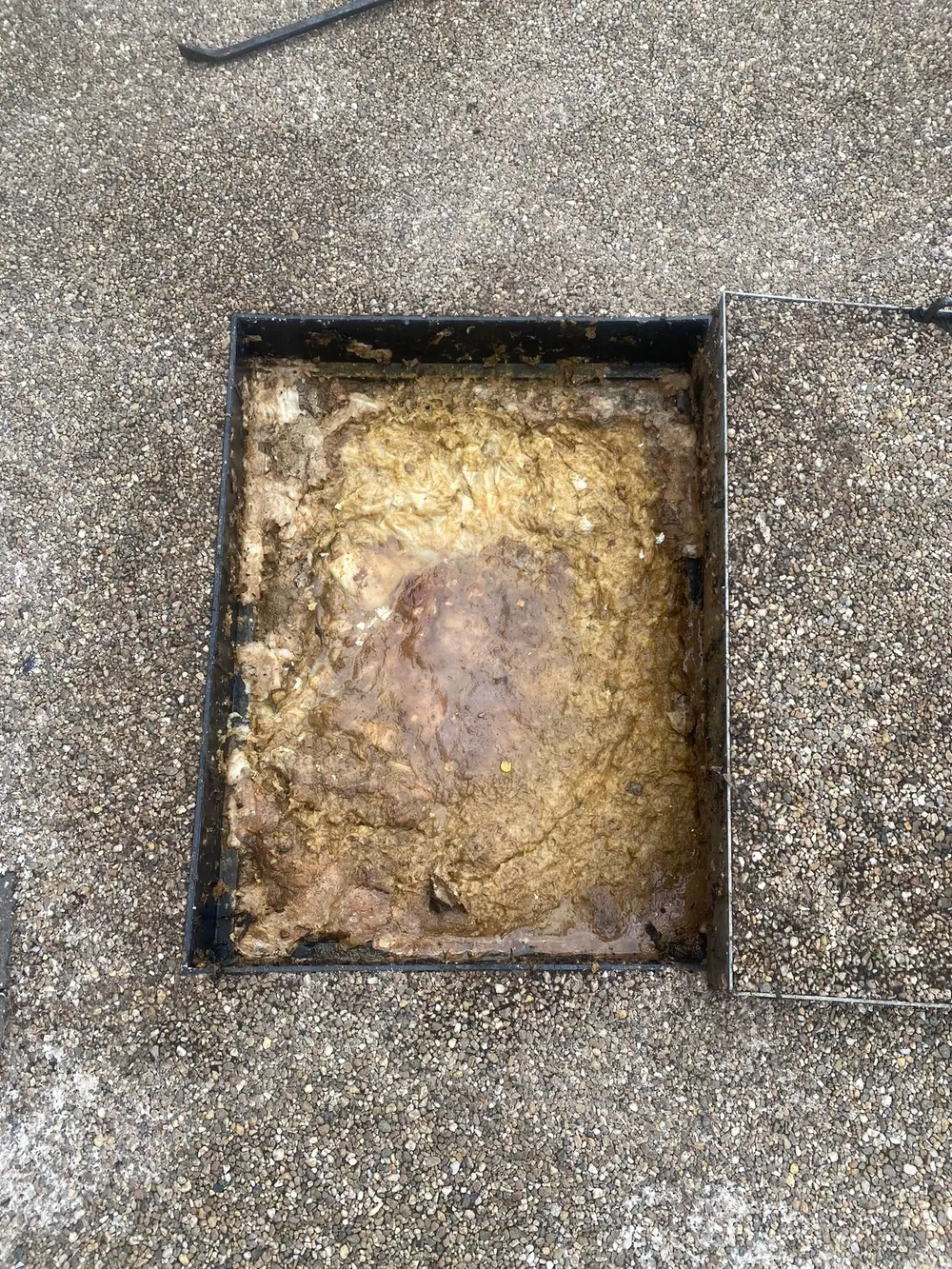
Local fixture or wider drain?
A sink, bath or shower that drains slowly may have a restriction close to the fixture, in a branch pipe or farther along the drainage system. If only one outlet is affected, the issue may be local. If multiple fixtures back up or make gurgling sounds together, a shared drain could be involved. Water appearing at a lower outlet when another fixture is used is also a useful detail to report.
Stop using an affected fixture if water is rising or escaping. Keep wastewater away from people and pets, and avoid dismantling fittings where contaminated water could spill. Do not combine chemical cleaners: mixing products can release hazardous fumes, and liquids left in a pipe can expose the person clearing it.
Repeated symptoms need a cause
A one-off slow outlet may clear, but recurring symptoms deserve a closer look. Grease, hair, soap residue and foreign objects can collect in waste pipes; damage or poor flow farther downstream may also contribute. Symptoms alone cannot distinguish among these causes. If an issue returns after clearance, a CCTV drain survey may help inspect suitable sections of the drainage route.
For urgent flow problems involving several fixtures, see emergency drain unblocking. If the main clue is persistently slow flow, compare it with slow-draining drains and recurring blockages. Practical prevention steps are in how to reduce blocked drains.
When arranging help in Birmingham or the West Midlands, say which outlets are affected, whether the water level changes when other fixtures are used and whether this has occurred before. Use the contact page for the next step.
Use the outlet pattern to narrow the question
A kitchen sink may slow after food residue or cooking fats enter its waste; a bath or shower may show gradual restriction from hair and soap residue. These are common possibilities, not a confirmed cause. If multiple outlets change together, a shared branch or drain may be relevant. If only one fixture is affected, a local plumbing issue may need attention before an underground drain survey is considered.
- Kitchen sink: record whether a dishwasher also discharges there and when the change began. Escalate if water backs up, a leak appears or other fixtures change too.
- Bath or shower: note whether the issue is new or recurring and whether nearby outlets are affected. Escalate if water returns through another outlet.
- Several outlets: list which ones changed together. Treat stopped flow or rising outside water as more urgent.
Avoid chemical drain openers and do not dismantle pipework if wastewater is present. Severn Trent advises keeping wipes and sanitary products out of toilets and food waste or oils out of sinks (blocked drains guidance); that can reduce some restrictions but does not diagnose an existing blockage. For repeat symptoms, preserve prior clearance details and consider whether a CCTV survey can examine the relevant accessible section.
When arranging an assessment, describe the fixture and waste route, whether water is fully stopped or only slow, and whether a dishwasher or another outlet is affected. A sink may need attention at the fixture or along a branch; a bath or shower may collect hair and soap residue. If clearing the local waste does not restore normal drainage, ask whether a wider pipe section was included in the work. A cleared trap or branch does not confirm that a shared drain is clear.
Quick answers
Questions about blocked sink, bath or shower drainage
Why is only one sink or bath draining slowly?
A local waste or branch restriction is one possibility. If several outlets change together, a shared section may be involved, but the pattern alone cannot locate the cause.
Can cooking fat cause a sink blockage?
Food residue and oils can contribute to restrictions in kitchen waste pipes. Severn Trent advises keeping food waste and oils out of sinks; that guidance does not diagnose an existing blockage.
Should I use drain chemicals before calling?
Avoid chemical drain openers, especially where water is standing or wastewater may be present. Residue can expose the person who later clears the pipe, and mixing products can create hazardous fumes.