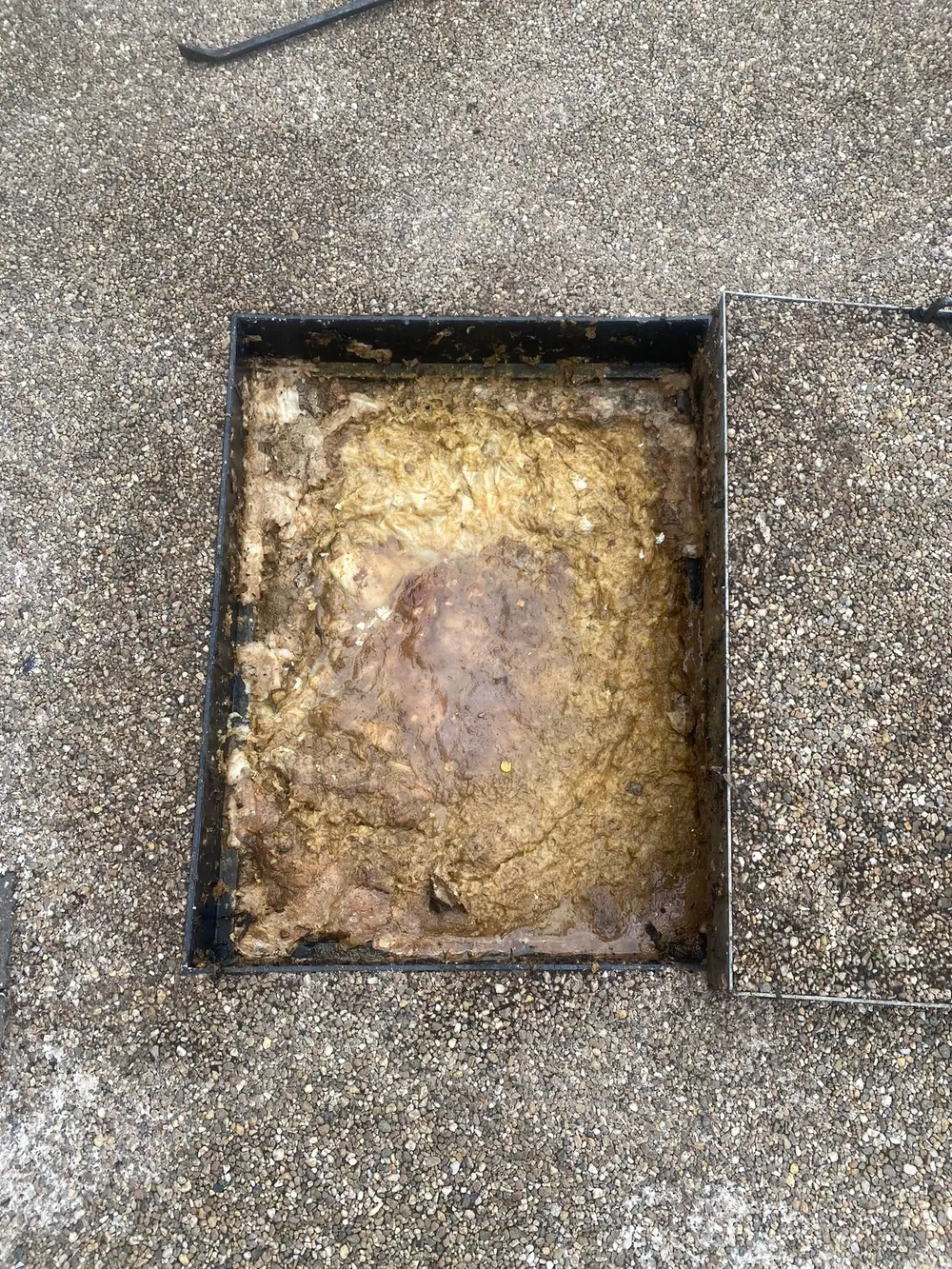
One slow outlet or several?
Slow drainage can begin gradually, so compare what you observe rather than relying on memory. Note which sink, bath, shower or toilet is affected, whether other fixtures are normal and whether the symptom changes after water is used elsewhere. A single slow outlet may have a local restriction. Several affected outlets can point to a shared section of pipe or a restriction farther downstream.
Gurgling, odour or water rising in another fixture adds context. An outside chamber that fills when water is used suggests a different location from a single slow sink. No one sign identifies a precise fault; a drainage assessment is needed to determine the cause.
When to treat it as urgent
If flow stops, wastewater backs up or an external chamber overflows, stop using affected fixtures and keep people away from the water. If flow remains slow but stable, record when it happens and whether the issue has returned after previous attention. Do not use repeated chemical treatments, especially if a contractor may need to work on the line.
A recurring slow drain can be associated with deposits, roots, a damaged joint, poor alignment or another restriction. A CCTV survey may show visible conditions in accessible sections. Where a blockage is present, unblocking can address it; repair decisions require evidence of a defect.
Share useful details
When contacting for an assessment in Birmingham and the West Midlands, report the affected outlets, duration, any sounds or odours, and whether neighbours or other parts of the building are affected. See drain smells and gurgling or recurring blockages for related symptoms. The contact page provides the enquiry route.
Keep a short observation record
A few specific observations help more than a general description such as “the drains are slow.” Record the date and time, which outlet is slow, whether it happens every time or intermittently, and whether another fixture changes at the same time. Note whether the condition is stable, worsening or has become a full backup. Do not deliberately run appliances or flush fixtures to reproduce a symptom.
Compare whether one or several fixtures are affected, when the change began and whether odour, gurgling, external water or leakage also occurs. Treat it as urgent when wastewater escapes, fixtures back up or essential facilities stop working. Keep people away from contaminated water and stop using affected fixtures where possible. A slow fixture by itself does not prove an underground blockage, damaged pipe or public sewer fault. If the pattern persists, seek assessment; if it recurs, review repeat symptoms and CCTV survey scope.
If you rent, tell the landlord or managing agent about a worsening symptom; if several properties are affected, contact the relevant sewerage company too. A water company can assess its own network, while a private assessment may be needed for a single property’s pipe. Keep the two routes distinct until the provider confirms responsibility. For a continuing private drainage problem, use contact with the observation record rather than running more water to reproduce it.