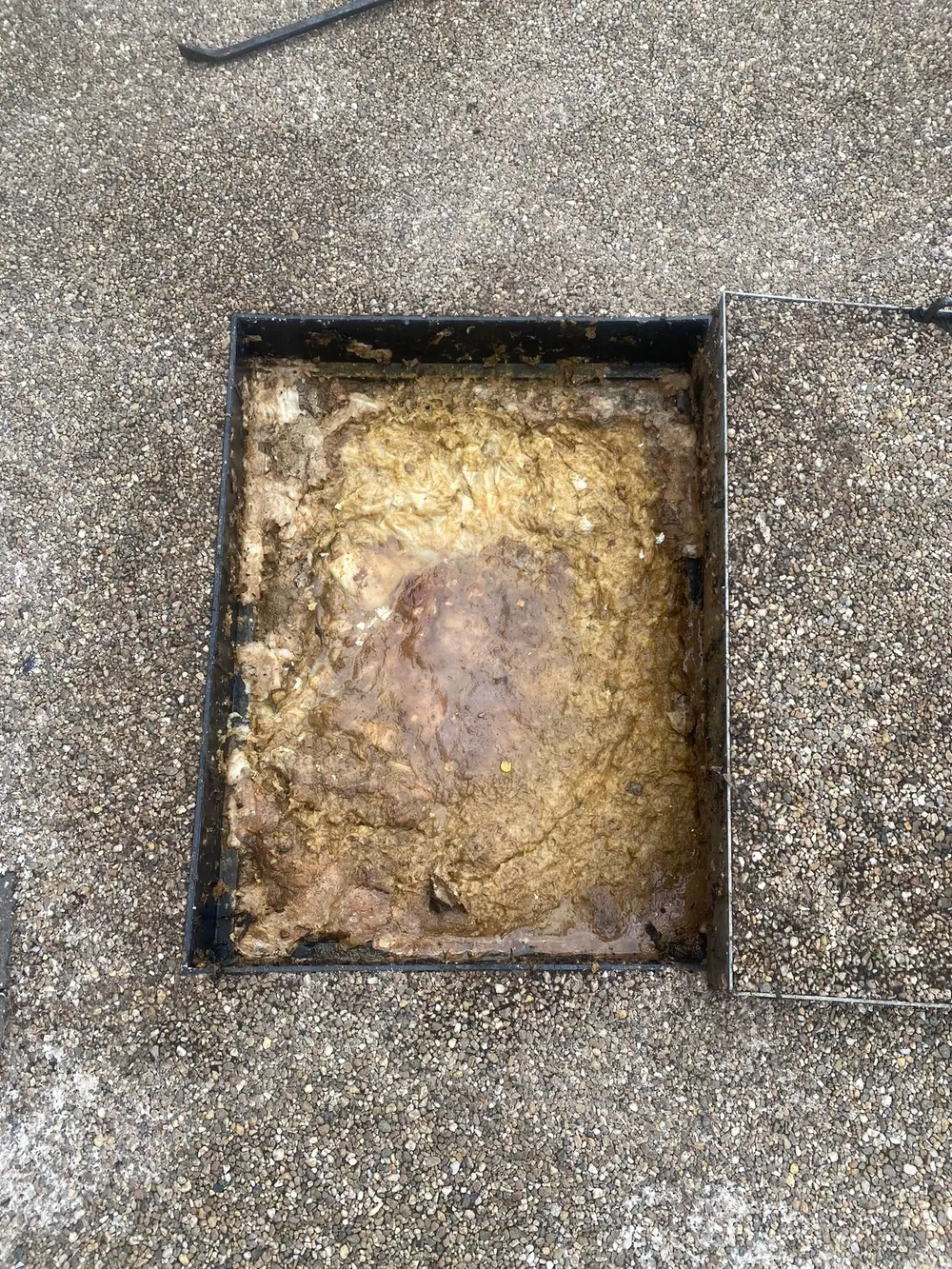
Locate the symptom pattern
An unpleasant smell near one sink may come from the fixture or its local waste connection. An odour outside near an inspection chamber, a sound from several outlets or gurgling that appears when another fixture drains may point to a wider drainage issue. Dry traps, restricted flow, leaks or a blockage are among possible explanations. A smell by itself cannot identify the source.
Record where the smell is strongest, when it occurs, whether it is indoors or outdoors and whether any drains are slow. Gurgling alongside a rising water level or wastewater backup deserves prompt attention. Keep away from sewage and do not open a chamber to investigate. If the smell may be gas rather than a drain odour, leave the area and contact the appropriate emergency gas service.
Distinguish a local fixture from a drain fault
If one outlet has a local odour and works normally, a plumbing assessment may be appropriate. If multiple fixtures gurgle, flow has slowed or an external drain is affected, a drainage inspection may be needed. Avoid pouring chemicals into drains to suppress an odour; this can conceal a symptom and expose someone who later works on the pipe.
A CCTV drain survey may help investigate recurring symptoms and visible pipe defects. If an active restriction is found, unblocking may restore flow. A repair is only appropriate where an inspection supports it.
Shared sewer and private drain questions
A sewer smell can sometimes relate to a public network issue. Severn Trent asks customers to report sewer smells so it can assess responsibility; its sewer smells guidance describes the distinction between public and private pipework. The precise provider depends on the address. For more, read who is responsible for drains?.
For a property in Birmingham or the West Midlands, note whether neighbours are affected and whether the symptom follows water use, then use the contact page if private drainage help is needed.
Compare where and when it occurs
- Smell at one sink, no slow flow: the source may be near the fixture; record the location and seek plumbing advice if it persists.
- Gurgling from several outlets during discharge: note which fixture was used and where the sound occurs; do not repeatedly test by running water.
- Outdoor sewer odour or neighbours notice it too: report it to the sewerage company, which can assess its network.
- Smell with wastewater rising or escaping: keep clear and follow overflow steps.
Severn Trent’s sewer smells policy says it assesses whether an odour comes from its public network or private pipework. That is useful local guidance, but the relevant provider depends on the address. A smell alone does not prove a drain is blocked; gurgling alone does not confirm a vent or pipe defect.
If the odour could be gas rather than a drain smell, leave the area and contact the gas emergency service. Do not cover the smell with chemicals or open a chamber. Note whether the symptom coincides with water use, rain, slow flow or nearby sewer work, then use contact for a private drainage assessment or report a suspected public issue to the water company.