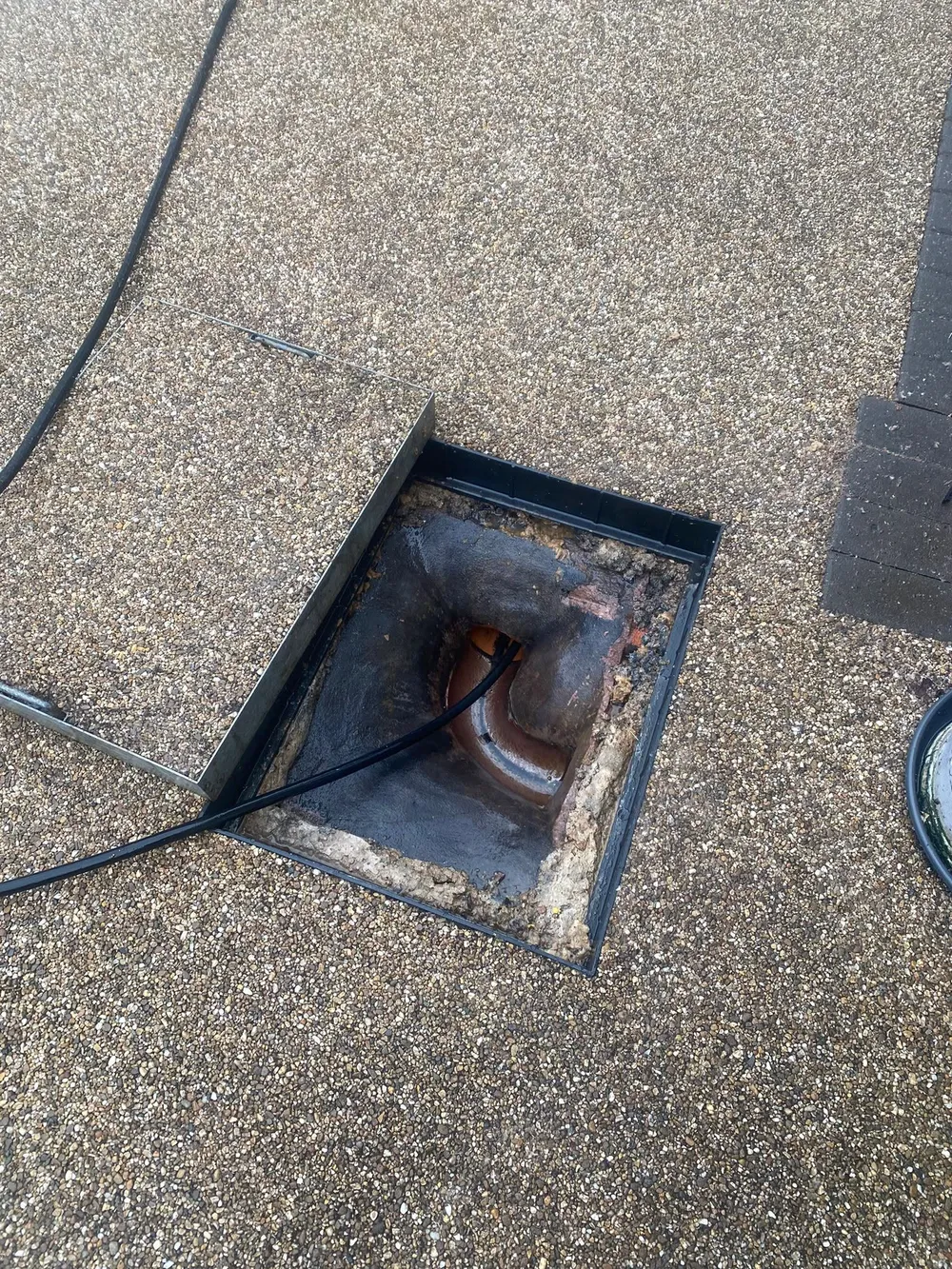
Confirm why digging is proposed
Ask what inspection or survey evidence locates the defect and why excavation is being considered. A recurring blockage alone does not establish that a pipe needs to be exposed. A camera record, drainage plan or other site evidence can help define the target area. If the inspection could not reach the suspected section, discuss that limit before agreeing to a repair.
Understand site access and effects
The depth and route of the pipe, surface material, nearby utilities and available access influence the work. Ask what area may be opened, whether vehicle or pedestrian access is affected, how excavated material is handled and what reinstatement is included. A site can reveal conditions that were not visible beforehand, so ask how changes to scope will be discussed and approved.
For a business or managed site, coordinate with the facilities contact and consider how work affects occupants, deliveries or access routes. Keep people outside the work area and follow site controls.
Confirm responsibility and documents
Before work on a buried line, establish whether it is private or part of a shared/public sewer. Responsibility can depend on which properties a pipe serves, where it runs and whether it was adopted. Use who is responsible for drains? and confirm with the sewerage company if unclear.
Keep the report, agreed scope, any site plan and completion record. If a CCTV survey identified the issue, retain the original video and findings. For method comparisons, read repair, lining or excavation.
A drain excavation enquiry in Birmingham or the West Midlands can be raised via contact. Provide the evidence available and ask what still needs confirmation before a work scope is set.
Questions to settle before agreeing
- Evidence: which report or plan locates the defect, and how precise is the location?
- Scope: what pipe length or area is included, and what would trigger a scope change?
- Access: what route is needed for people, tools and removed material?
- Services and boundaries: have known utility routes and private/public responsibility been checked by the appropriate parties?
- Surface: what will be opened, what reinstatement is included and how will it be described in writing?
- Site use: who will keep occupants clear and manage access during the work?
An excavation may uncover conditions different from the camera view, particularly where the pipe is deep or the route is poorly documented. Agree how newly discovered issues will be explained and approved before additional work is carried out. If the location has not been established, ask whether another inspection or plan check could narrow the area first.
Keep the survey, work scope, any change approval and completion record together. For a comparison with trenchless options, use repair, lining or excavation; for the technical service overview, see drain excavation.