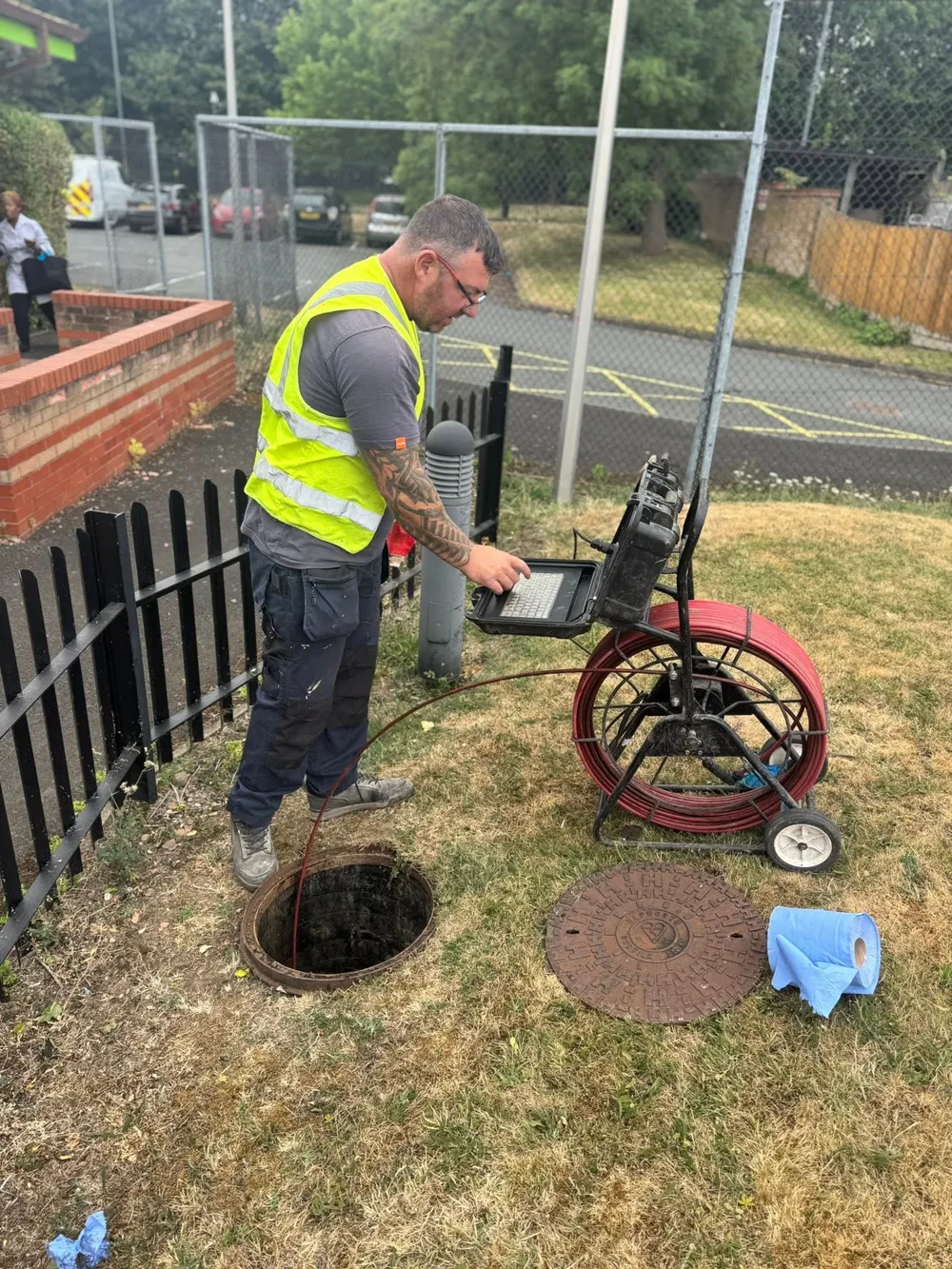
Start with the scope of inspection
A CCTV report should say which access point and pipe route were checked, how far the camera travelled and whether it reached the intended endpoint. If sections could not be accessed or visibility was limited by water, debris, bends or a blockage, that limitation matters. “Surveyed” does not always mean every part of a property’s drainage network was visible.
Look for the difference between observation and interpretation. The report may describe a crack, joint displacement, deposit, root ingress, deformation or standing water. The recommendation explains what the operator believes should happen. Ask where the feature is located, how it relates to the symptom and what uncertainties remain.
Questions that make a report actionable
- Which exact line or section does the report cover?
- What evidence supports the recommended work?
- Was the line cleaned before inspection, and did visibility affect the result?
- Is the finding local or repeated across multiple sections?
- What options exist, and why is one preferred for this pipe?
A report should help compare options, not make a decision by itself. One visible defect may be minor or important depending on flow, position and surrounding conditions. If a recommendation is unclear, ask for a plain-language explanation or a marked-up plan.
Connect findings to work
A blockage may require unblocking. Structural findings may warrant a repair, lining or excavation. These methods address different conditions; the report and site determine suitability. The survey process guide explains how access and camera visibility affect evidence.
For work in Birmingham and the West Midlands, share the report through contact if you need to discuss drainage options. Retain the original video and report with property records.
Check the report before accepting a recommendation
Confirm the access point, route, direction, length inspected and point where the camera stopped. Look for a description or image of each cited feature and a location reference that another person can use. Note whether the pipe was clean enough to see and whether branches or connected sections remain unchecked.
Ask the author to explain:
- What is directly visible in the recording?
- What is an interpretation of that observation?
- Which symptom is the finding thought to explain, and why?
- What are the alternatives to the recommended repair?
- What would remain uncertain after the proposed work?
A report may use technical condition grades or coded descriptions. Do not assume a code means the same thing across every provider; ask for the legend and a plain-language explanation. A dramatic still image without route, distance or context may not show how significant the feature is. Preserve the full recording and any annotated plan so another reviewer can understand the claim.
If the route was not accessible or visibility was poor, a follow-up survey may be needed after cleaning or another preparation step. Compare any repair proposal using the method guide, and see what happens during a survey.